OceanView Blog · 4-minute read
The Wrong Track Cover Can Raise the Door and Create a New Clearance Problem

Need this looked at around Daytona Beach? Sliding Door Track Repair · Sliding Door Alignment and Adjustment — request service or call 386-202-1678.
OceanView Editorial · Pen name: Levi Huxley · 4-minute read
These guides use editorial pen names. Read how this blog is prepared.
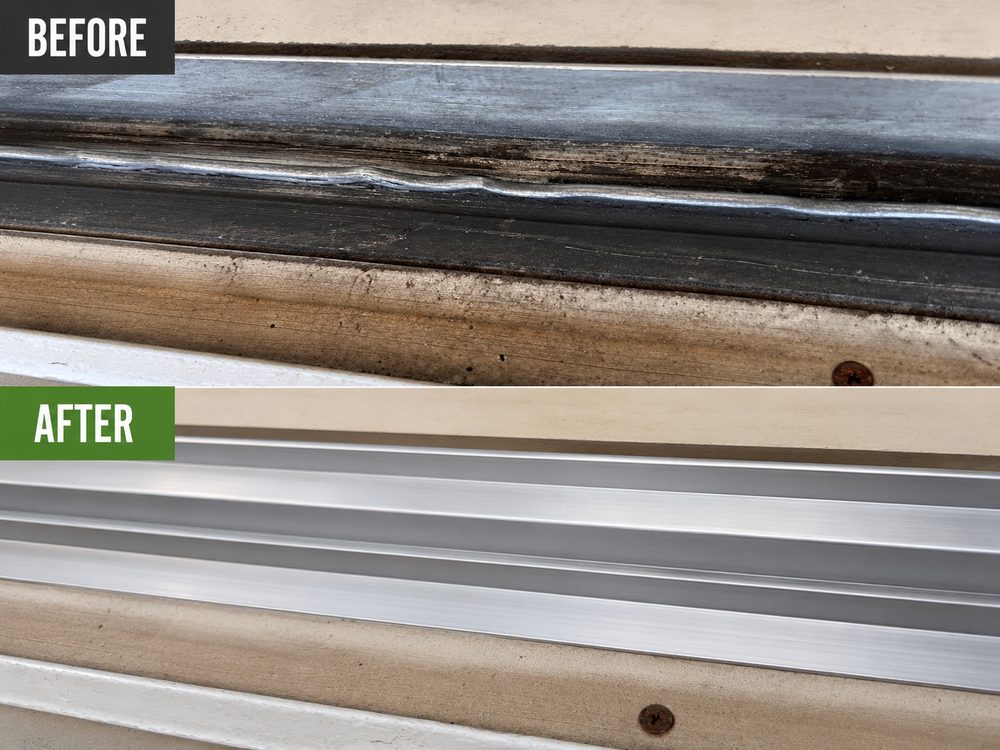
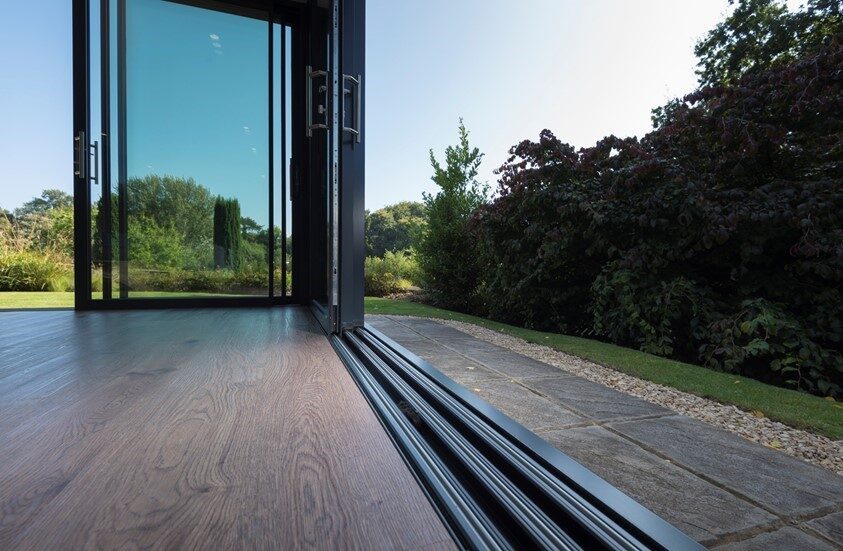
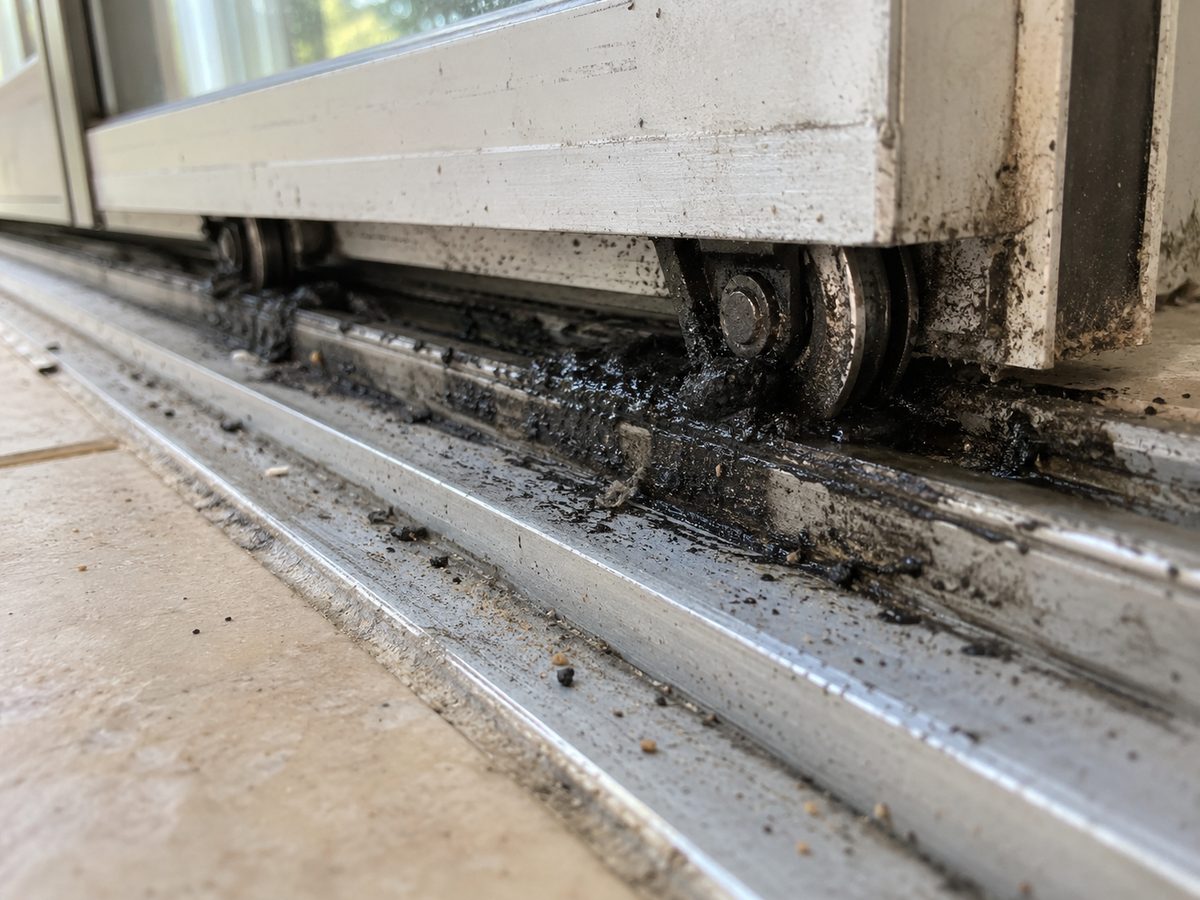
A track cover changes the surface the rollers run on. It can also change the panel's effective running height. A cover that fits over a worn rail is not automatically compatible with the door's remaining head clearance, guides and locking position.
Measure the system, not just the visible rail
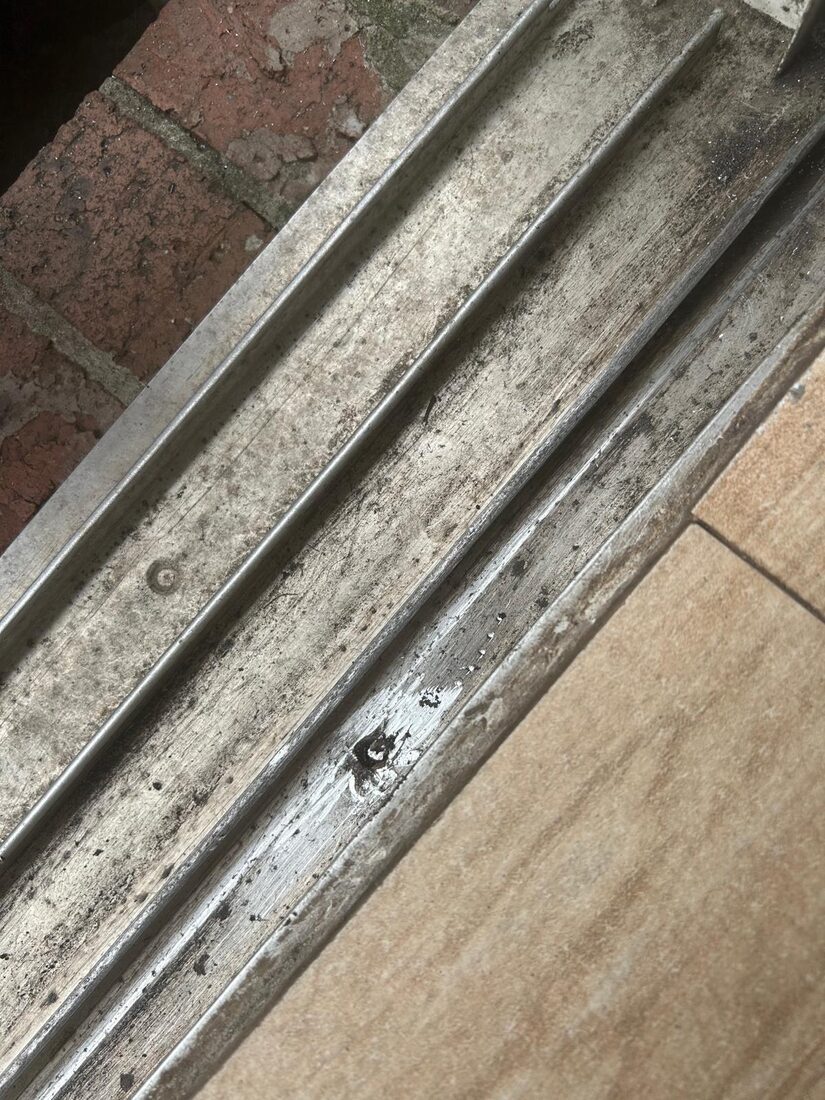
The technician needs the original running profile, the proposed cover's installed profile and the panel's available adjustment. Whether a cover snaps around an existing rail or rests on another part of the threshold changes how its height should be assessed.
The door's condition before the repair matters too. A panel already adjusted near its usable limit has a different starting point from one with substantial supported adjustment remaining. There is no universal allowance that works for every brand and cover.
Covers have different support arrangements
SWISCO discusses the profile needed for a particular snap-on cap. Slide-Ezzz describes a different, threshold-supported cover with its own clearance requirements. These examples illustrate why two products advertised as track covers should not be treated as interchangeable.
A seller's dimension applies to that product and its specified installation. It is not a general measurement for every Florida patio door. The provider should evaluate the actual rail, cover and surrounding threshold together rather than choose the cover from length alone.
Where an added height can cause trouble
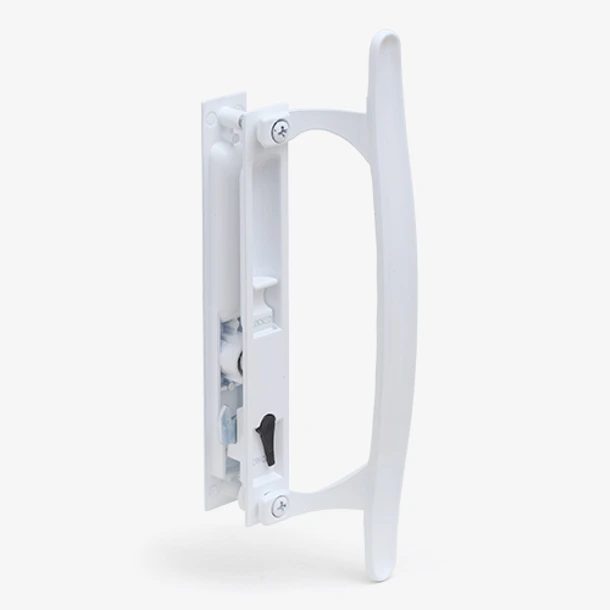
The wheel may roll smoothly while the top of the panel rubs against a guide or another component. The latch may approach the keeper at a different height. Weatherstrip contact and engagement with neighboring panels can change as well.
For an illustrative example, a cover eliminates rough wheel contact but introduces a scrape near the head. Lowering the rollers might help only if the assembly has suitable adjustment and the panel still retains its intended engagement. Smoothness at the bottom alone does not establish a completed repair.
A smaller roller is not an automatic correction
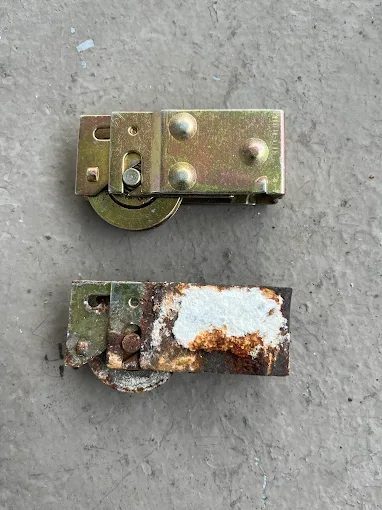
Changing wheel diameter to compensate for a taller cover also changes other parts of the fit. The housing, mounting, wheel profile and supported working height must remain appropriate for the identified door.
Ask whether the proposed roller is a documented compatible assembly. “It gives us more room” is incomplete if the substitute creates a poor mounting fit or inappropriate rail contact. The repair should resolve the whole combination rather than trade one incompatible dimension for another.
Use a before-and-after clearance record
Before work, note the existing scrape, lock engagement and normal opening range. A provider can then compare those observations after the cover is fitted. Record whether the top guide or retainer required adjustment and whether that adjustment follows the door's instructions.
This record is especially helpful if multiple repairs are performed together. A change in locking after rollers and a cover were both installed should be investigated as a system change, not attributed to an unrelated lock failure without inspection.
What to ask before approving the cover
Ask which product is proposed, where it receives support and how installed height will affect the panel. Request confirmation that remaining roller adjustment and guide engagement will be checked. Include removal of any unsuitable previous cover in the scope if necessary.
If the existing rail or supporting sill cannot accept the selected repair, a different supported method may be needed. Another cover placed over the first one should not become an unexamined shortcut for a fit problem.
Questions homeowners ask
Is a thinner cover always better?
No. Thickness alone does not establish profile, support, attachment or compatibility. The selected repair must provide an appropriate running surface without introducing clearance and engagement problems elsewhere.
Can the rollers always be lowered enough afterward?
No universal adjustment range applies. The available working range depends on the actual assembly, panel and existing condition. Lowering also has to preserve the door's other required relationships.
What should the final demonstration include?
Full ordinary travel, the repaired rail area, head clearance and normal closing and locking. Ask the provider to address any newly introduced scrape or change in latch engagement before calling the cover repair complete.
Sources and product examples
Sources checked September 14, 2026. Product details apply to the identified examples; they are not universal repair instructions.