OceanView Blog · 4-minute read
A Crooked Sliding Door and an Uneven Gap: Rollers, Frame or Weatherstrip?

Need this looked at around Daytona Beach? Sliding Door Alignment and Adjustment · Sliding Door Frame Repair — request service or call 386-202-1678.
OceanView Editorial · Pen name: Finn Archer · 4-minute read
These guides use editorial pen names. Read how this blog is prepared.
An uneven gap between a sliding panel and its closing jamb is a useful clue, but it does not automatically mean the frame is bent. Roller setting, assembly condition, weatherstrip contact and frame alignment can contribute. The repair should identify which relationship is wrong before changing the lock or replacing the frame.
Read the gap with the panel nearly closed
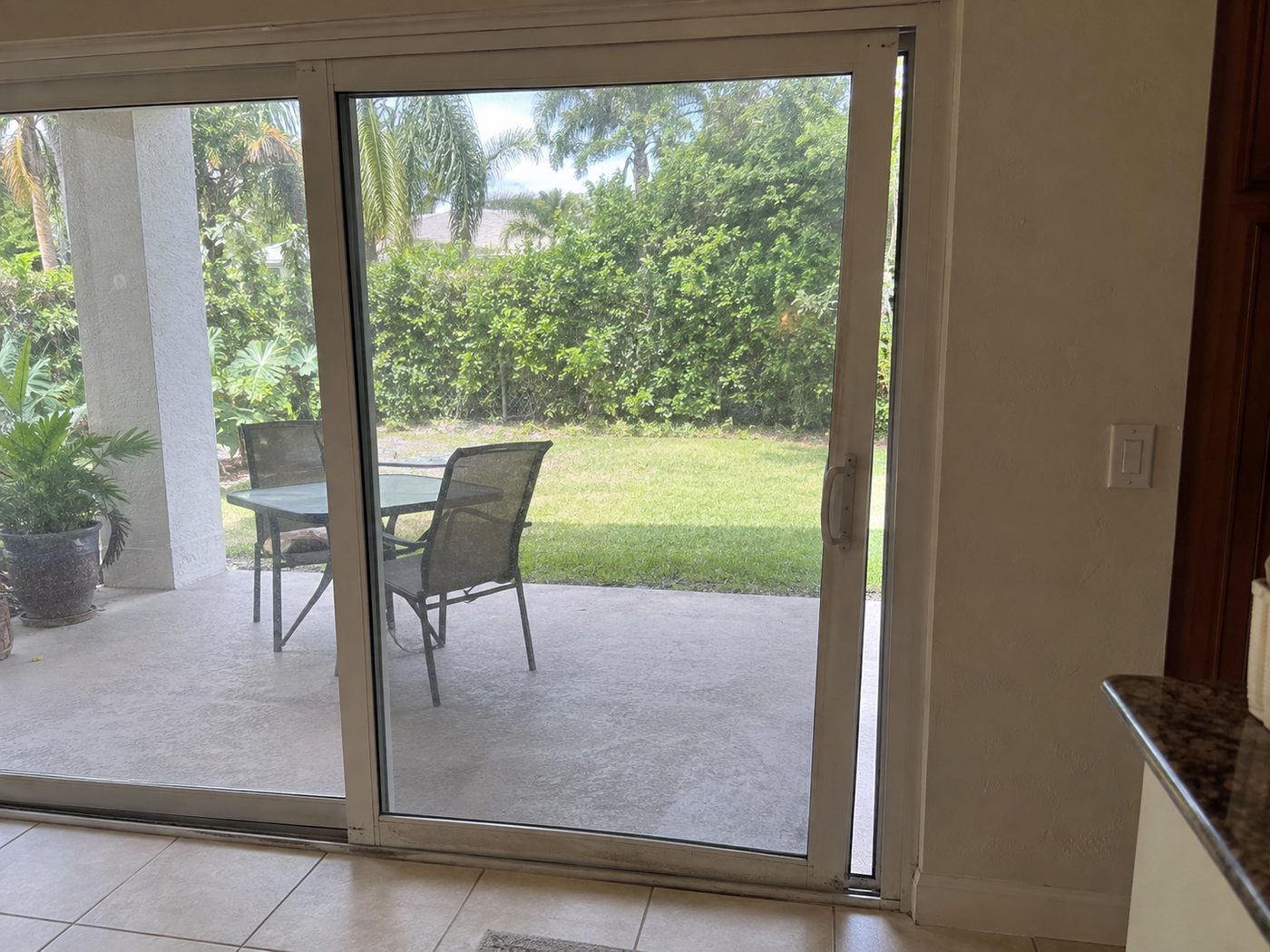
From a safe viewing position, notice whether the visible gap is similar from top to bottom. A panel that approaches the jamb at an angle may meet it first at one end. Record that appearance without pushing the panel into the frame to make it look square.
Andersen's patio-door maintenance guidance connects roller adjustment and an even reveal with subsequent latch alignment. That is a useful manufacturer example of checking panel position first, rather than treating every closing complaint as an isolated lock problem.
Roller height is one possibility
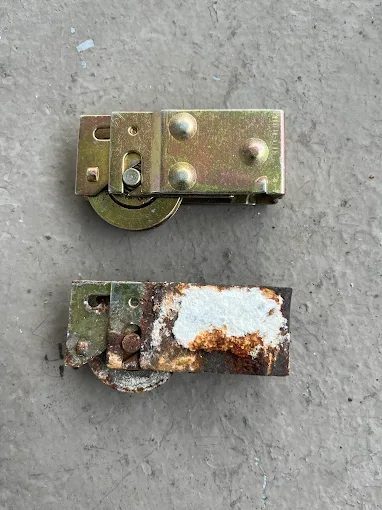
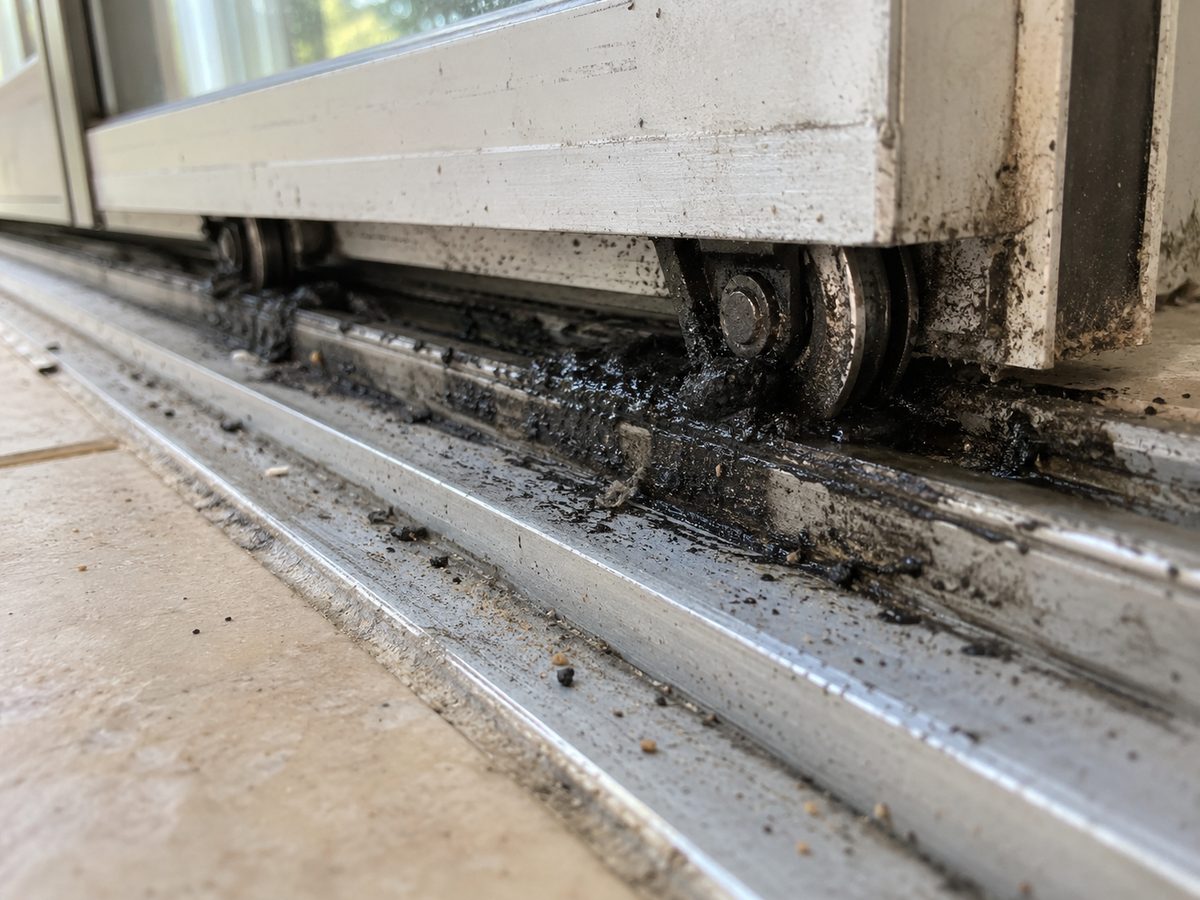
The two support positions may not be set appropriately, or an assembly may no longer hold its intended working position. A replacement with an unsuitable housing or limited adjustment can also change the panel's relationship to the frame.
This is not a universal instruction to turn one screw a particular direction. Adjustment arrangements differ, and a resistant screw may need its load relieved using the relevant procedure. Ask the provider to identify the assembly before adjusting it.
Distinguish alignment from rubbing material
Weatherstrip that is displaced, contaminated or unsuitable can create resistance even when the panel's visible gap is reasonably even. Thick replacement material may make the door feel tight without establishing that roller height is wrong.
For an illustrative example, a door begins dragging after a draft repair. Its closing gap looks unchanged, but the new material rubs along the stile. Increasing roller height would not directly address the mismatch and could disturb the head clearance or lock relationship.
The frame needs its own assessment
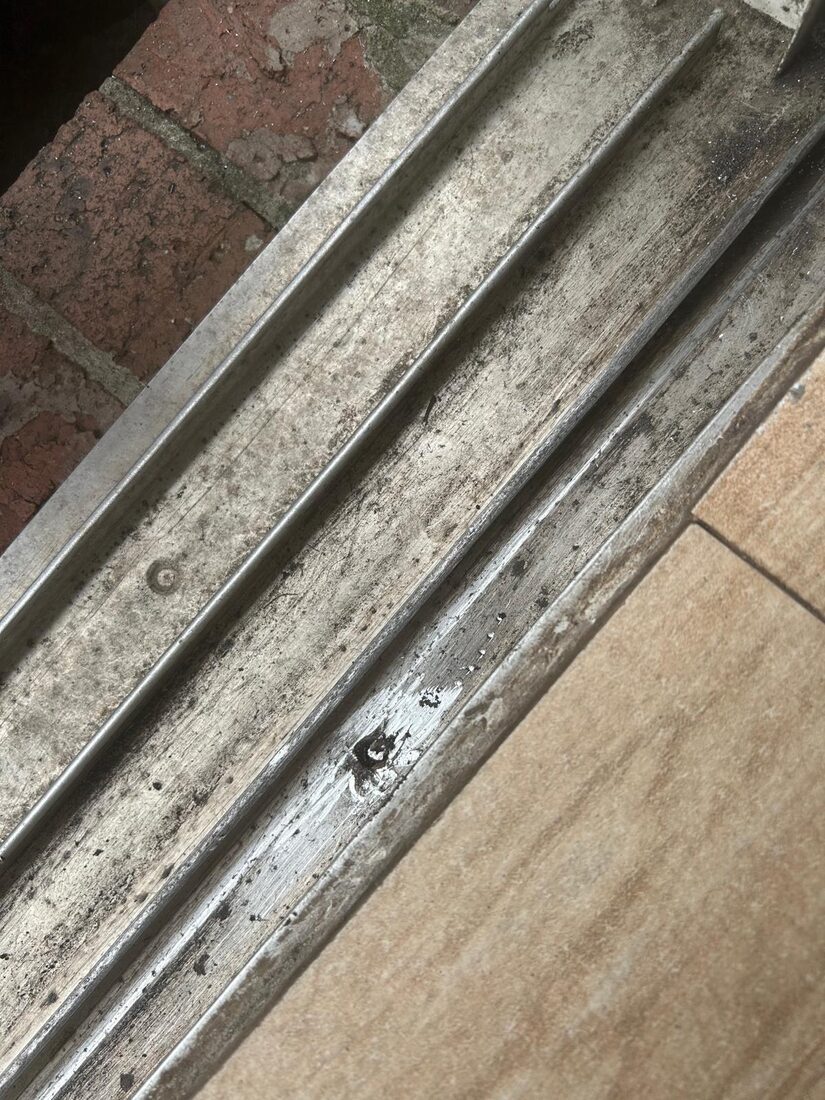
If the supported panel cannot achieve the intended position through appropriate adjustment, the provider should assess the frame and relevant attachments. A frame condition cannot be diagnosed from one photograph or an assumption that every Florida home settles the same way.
Ask what measurements or observations support the conclusion. Roller wear, an incompatible replacement and an actual frame issue can require very different work. A proposal for frame repair should explain the identified condition rather than simply describe the panel as crooked.
Use recent work as a timeline
Tell the provider whether the gap changed after rollers, a track cover, weatherstrip or another component was replaced. New running height or different hardware can influence closing position. The sequence helps prioritize the inspection without proving that the previous technician caused damage.
If the problem developed gradually, report any change in effort, sound or lock operation. A short timeline helps separate longstanding alignment from a new interference. Include accessible photographs of the nearly closed panel and overall opening.
Finish with closing and locking
After correction, check ordinary movement through the normal range, then closing and latch engagement. A panel that looks more even but scrapes at the head or requires slamming still has an unresolved relationship.
Ask whether required guides, retainers and weatherstrip contact were reviewed. Keep the explanation of any frame condition or unusual component choice. The useful outcome is appropriate alignment and operation together, not a visually straight panel achieved by sacrificing another clearance.
Questions homeowners ask
Can I fix the gap by moving the lock keeper?
Moving the keeper changes a locking relationship, not the panel's overall alignment. Have the panel position assessed first. Keeper adjustment may be appropriate afterward for the identified hardware and instructions.
Does one side need the same number of adjustment turns as the other?
No universal turn count applies. The final supported position and required clearances matter. Different starting settings or assembly conditions can make matching turn counts unhelpful.
Is a crooked door always a frame-replacement job?
No. Assembly condition, adjustment and contact with other components deserve evaluation. Frame work should follow an identified frame problem, with the proposed correction and remaining checks clearly explained.
Sources and product examples
Sources checked September 14, 2026. Product details apply to the identified examples; they are not universal repair instructions.