OceanView Blog · 4-minute read
The Sliding Door Will Not Lock: Check Panel Alignment Before Moving the Keeper

Need this looked at around Daytona Beach? Sliding Door Lock Repair and Replacement · Sliding Door Alignment and Adjustment — request service or call 386-202-1678.
OceanView Editorial · Pen name: Jack Ellery · 4-minute read
These guides use editorial pen names. Read how this blog is prepared.
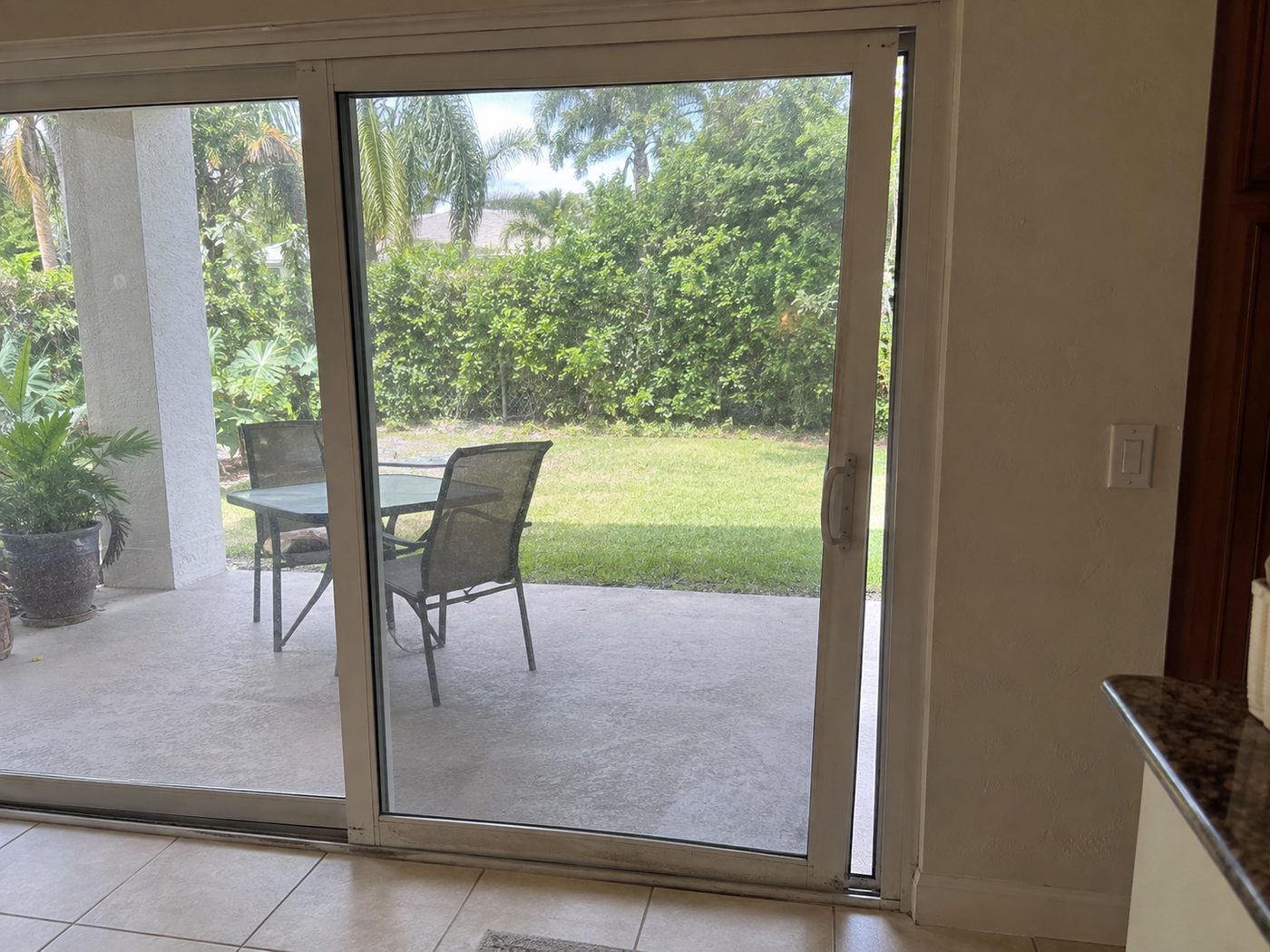
A sliding door that will not lock may have a locking-hardware fault, an alignment problem or both. Before moving the keeper or ordering a universal latch, check whether the panel closes in its intended position. A lock should not require slamming the glass panel into place.
Separate closing from latch operation
Notice whether the panel reaches the jamb comfortably before the latch is operated. If closing itself is difficult, report that resistance as well as the locking complaint. The lock may be meeting a panel that is not positioned correctly.
Do not use the latch to pull a misaligned door through resistance. Likewise, avoid repeated force on the lever or key. Tell the provider whether the failure is failure to close, failure to engage or difficulty operating after engagement.
The keeper depends on the panel relationship
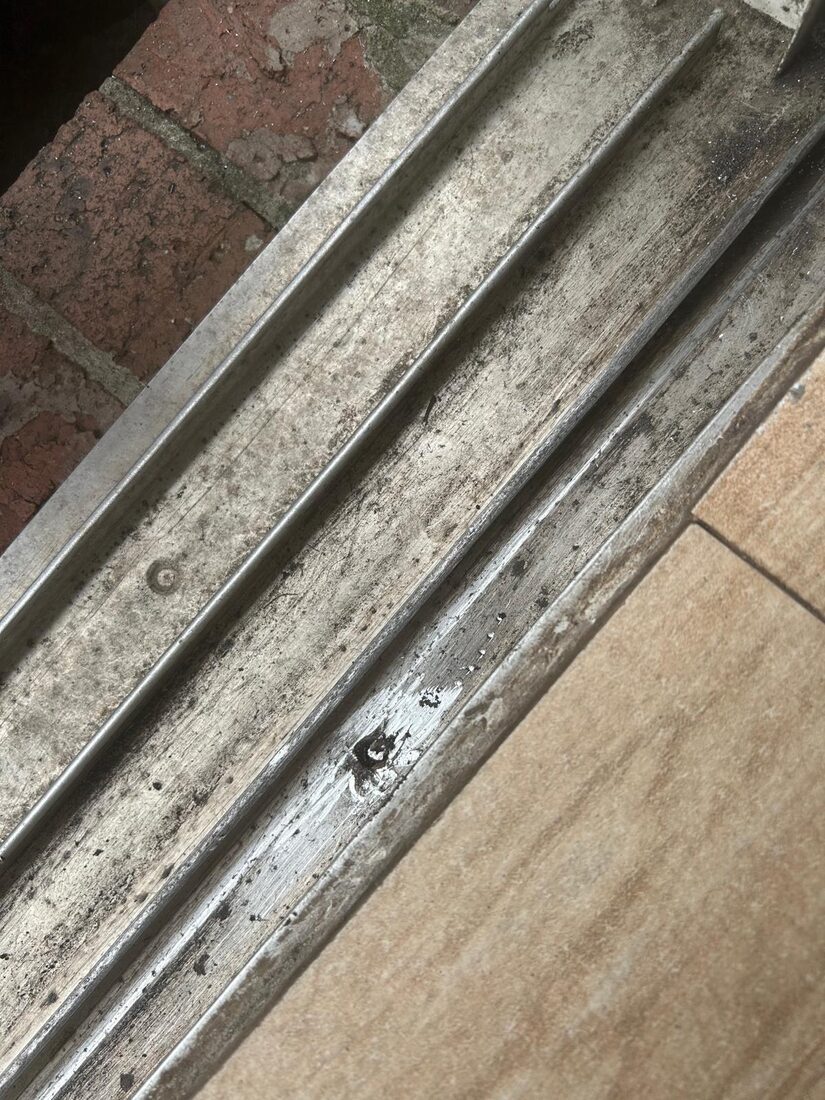
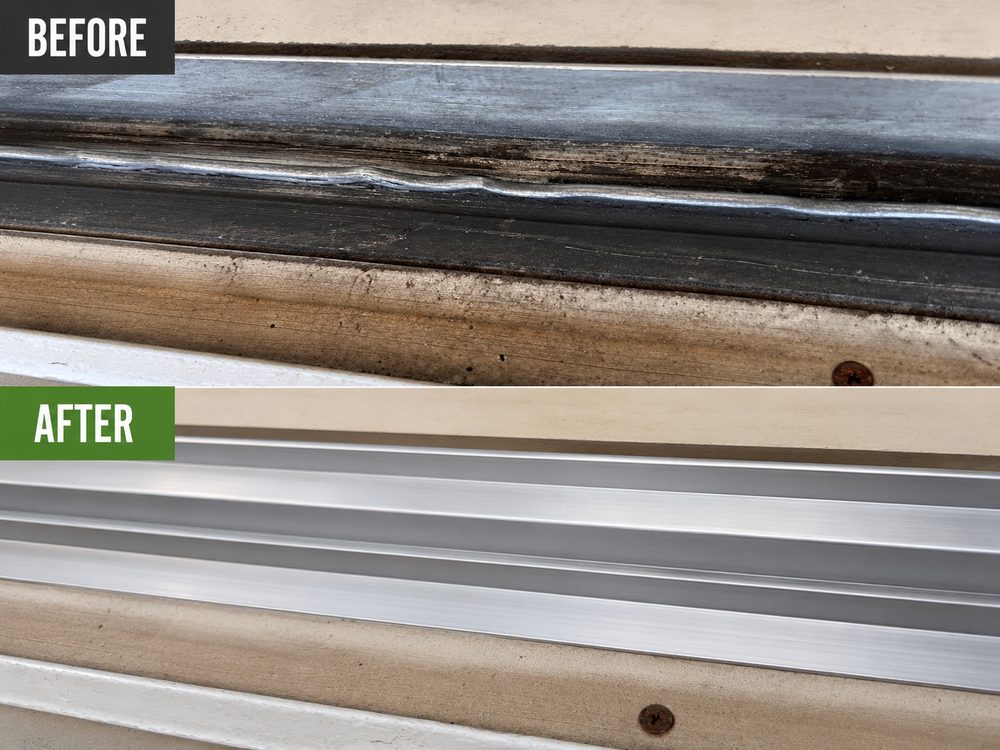
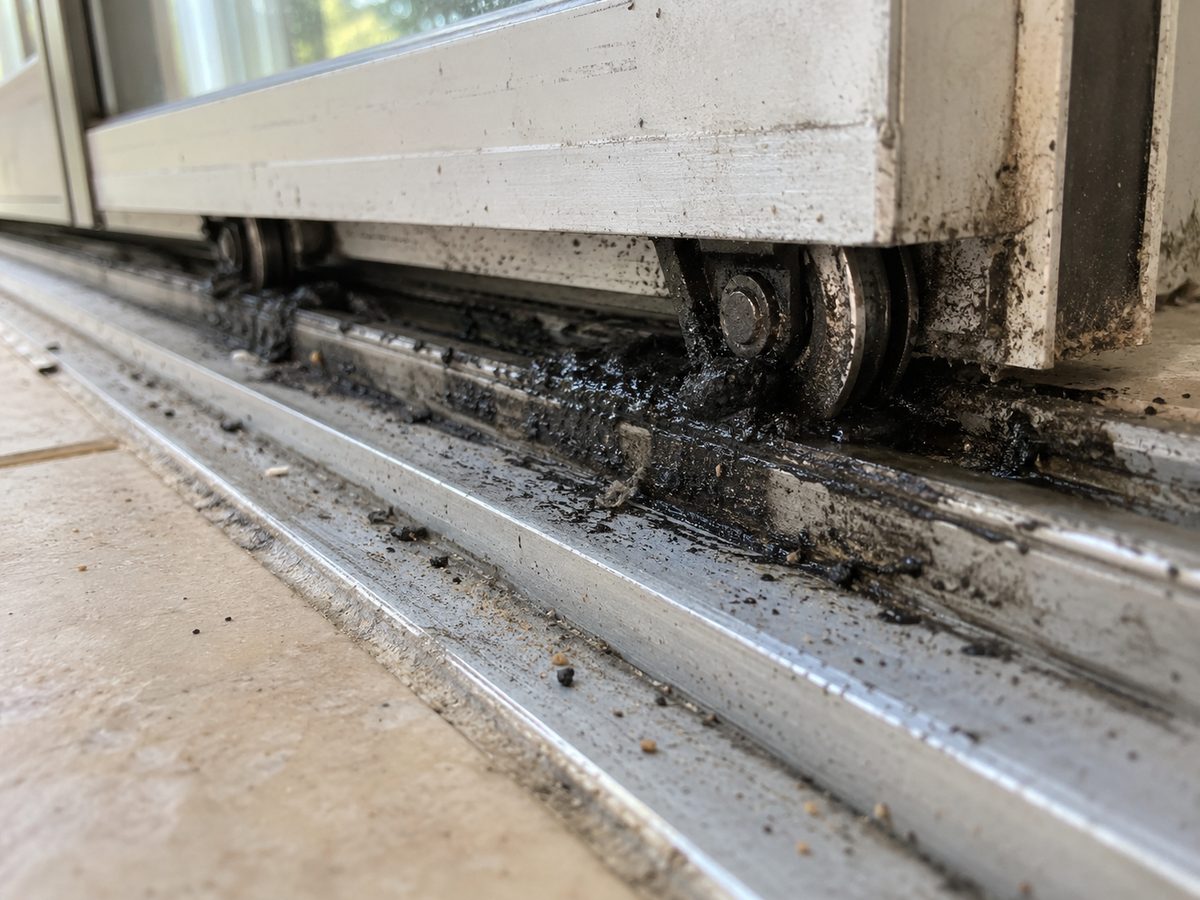
The receiver or keeper has to meet the locking feature in the intended position. Roller height and panel alignment can change that relationship. A newly installed track cover or different assembly can influence it as well.
Andersen's hardware guidance recommends checking roller alignment when a gliding-door lock does not engage appropriately. This is a manufacturer example of inspecting the panel relationship before treating a receiver adjustment as the entire repair.
Moving the keeper can conceal another condition
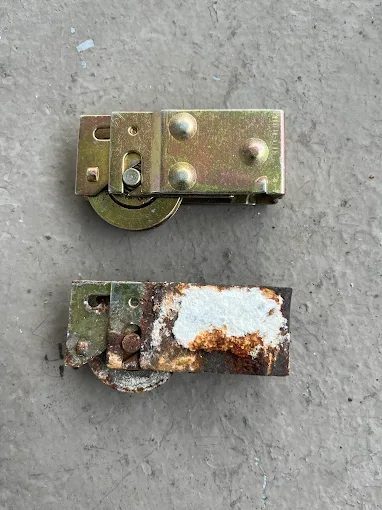
For an illustrative example, a panel becomes tilted as a support assembly deteriorates. Moving the keeper may help the latch catch at that moment while leaving rough movement and uneven closing unresolved. The provider should assess the cause of the shifted position.
Keeper adjustment can be an appropriate part of a supported repair. The issue is sequence and diagnosis, not a rule that keepers must never move. Ask which alignment and clearance checks will precede any hardware repositioning.
Identify the locking system before buying parts
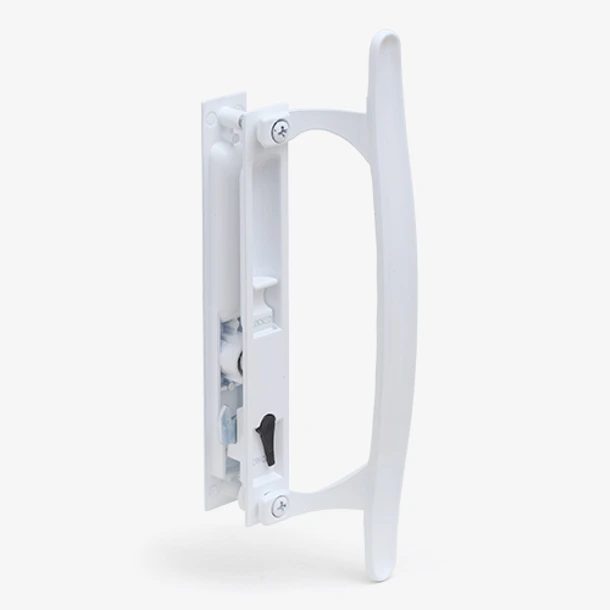
A handle set, internal lock and receiver are not necessarily sold as one complete assembly. Series, production period, handing and locking arrangement can affect compatibility. A similar visible handle does not identify the concealed mechanism.
Andersen's replacement guidance distinguishes hardware across product series and vintages. Ask the provider to confirm the required components and what the quoted kit includes. This can prevent ordering a handle when the identified fault is in a separate lock or receiver.
Recent changes are useful evidence
Report whether the lock problem began after roller replacement, alignment, a rail cover or weatherstrip work. Also note whether it varies with panel position or ordinary conditions. These details help investigate the relationship without proving that the most recent repair was incorrect.
Photograph the accessible handle and receiver, plus the nearly closed panel from inside. Do not dismantle the mechanism or drill new keeper holes to produce a temporary fit. The provider should identify the relevant hardware and supported adjustment first.
Verify more than one successful engagement
After repair, observe normal travel, comfortable closing and repeated ordinary latch operation. If keyed operation is part of the installed system, ask the technician to demonstrate that function too. Include both sides where applicable and accessible.
Ask for any changed components or keeper position to be recorded. If the door still needs lifting by the handle or forceful closing, request further assessment of the remaining condition. A latch catching once is a limited check of the complete door.
Questions homeowners ask
Can new rollers affect a lock that previously worked?
They can change panel position if the assembly or adjustment differs. The provider should review the resulting alignment and locking relationship rather than assume the lock developed an unrelated fault.
Should a handle kit include the internal lock?
Not necessarily. Package contents vary. Confirm the exact parts included and how each relates to the identified fault before comparing prices or ordering a replacement.
Is lifting the panel by the handle an acceptable way to lock it?
That symptom warrants assessment of alignment and hardware. Normal locking should be demonstrated using the intended operating method, with any remaining need for force or panel lifting investigated.
Sources and product examples
Sources checked September 14, 2026. Product details apply to the identified examples; they are not universal repair instructions.