OceanView Blog · 4-minute read
How to Identify Sliding Door Rollers Before Ordering Replacement Parts
Need this looked at around Daytona Beach? Sliding Door Roller Replacement — request service or call 386-202-1678.
OceanView Editorial · Pen name: Bennett Carver · 4-minute read
These guides use editorial pen names. Read how this blog is prepared.
A replacement patio-door roller should be identified by the complete assembly, not by a wheel photograph alone. Housing dimensions, mounting features, wheel profile, adjustment position and working height all matter. An apparently similar part can fit into the panel yet place the door at an unsuitable height or contact the rail incorrectly.
Begin with information you can collect safely
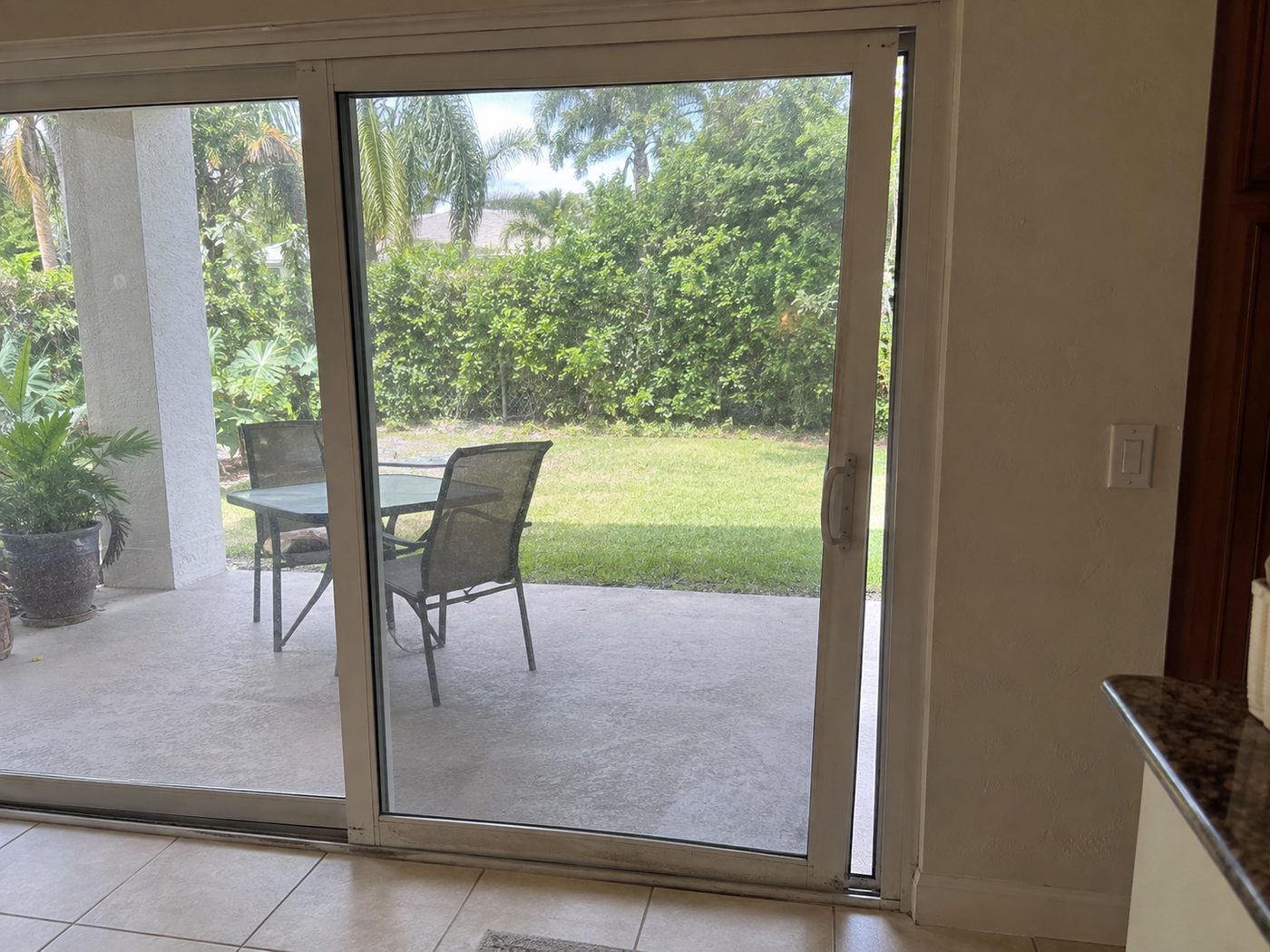
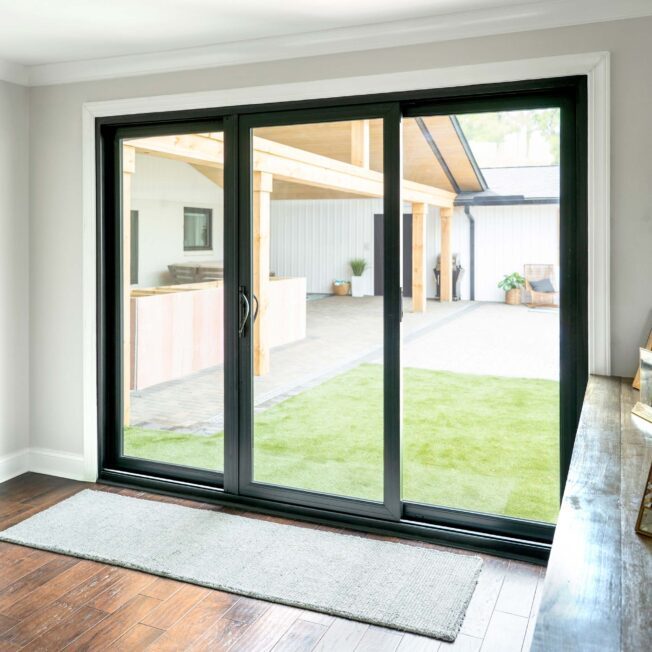
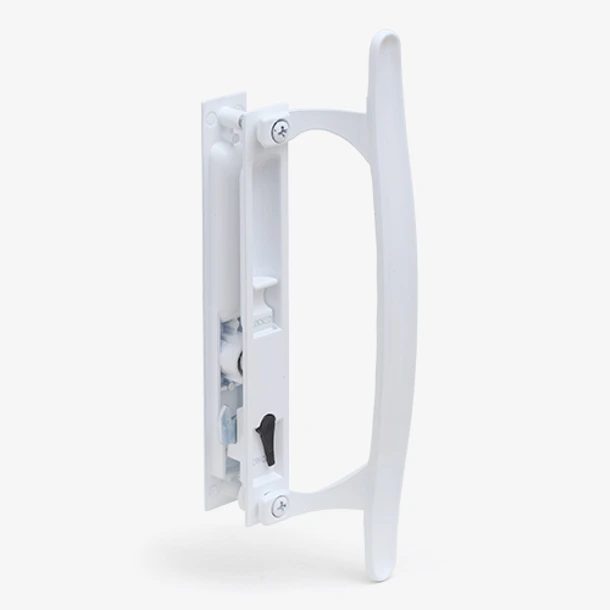
Photograph the complete door from inside, the handle, accessible labels and visible glass markings. Record how many panels move and whether they stack or enter a pocket. Manufacturer resources such as Andersen's identification worksheet show why product identity, configuration and hardware details belong together.
An older label may help narrow the search without conclusively identifying the roller now installed. Previous repairs may have changed the hardware. Treat visible information as the starting point, rather than ordering a part solely because the manufacturer name matches.
Compare the whole roller assembly
SWISCO's identification guidance emphasizes comparing the roller style and dimensions. That comparison normally includes parts hidden beneath the panel. A professional may need to support and remove the glass safely to inspect an intact assembly.
The comparison should distinguish housing length and width, collapsed height, wheel diameter and width, groove shape, mounting tabs or ears, hole position, thread and adjustment access. Measure in a stated unit and keep fractions precise. “About an inch” is usually insufficient for a part whose clearances matter.
Account for damage in the old part
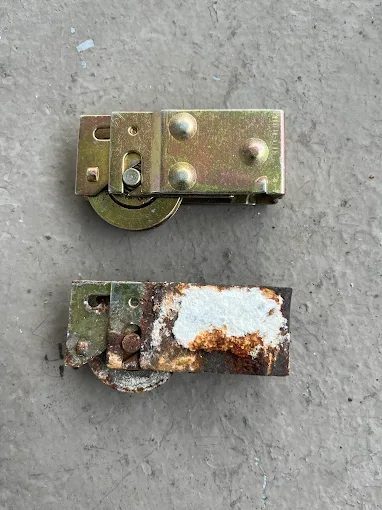
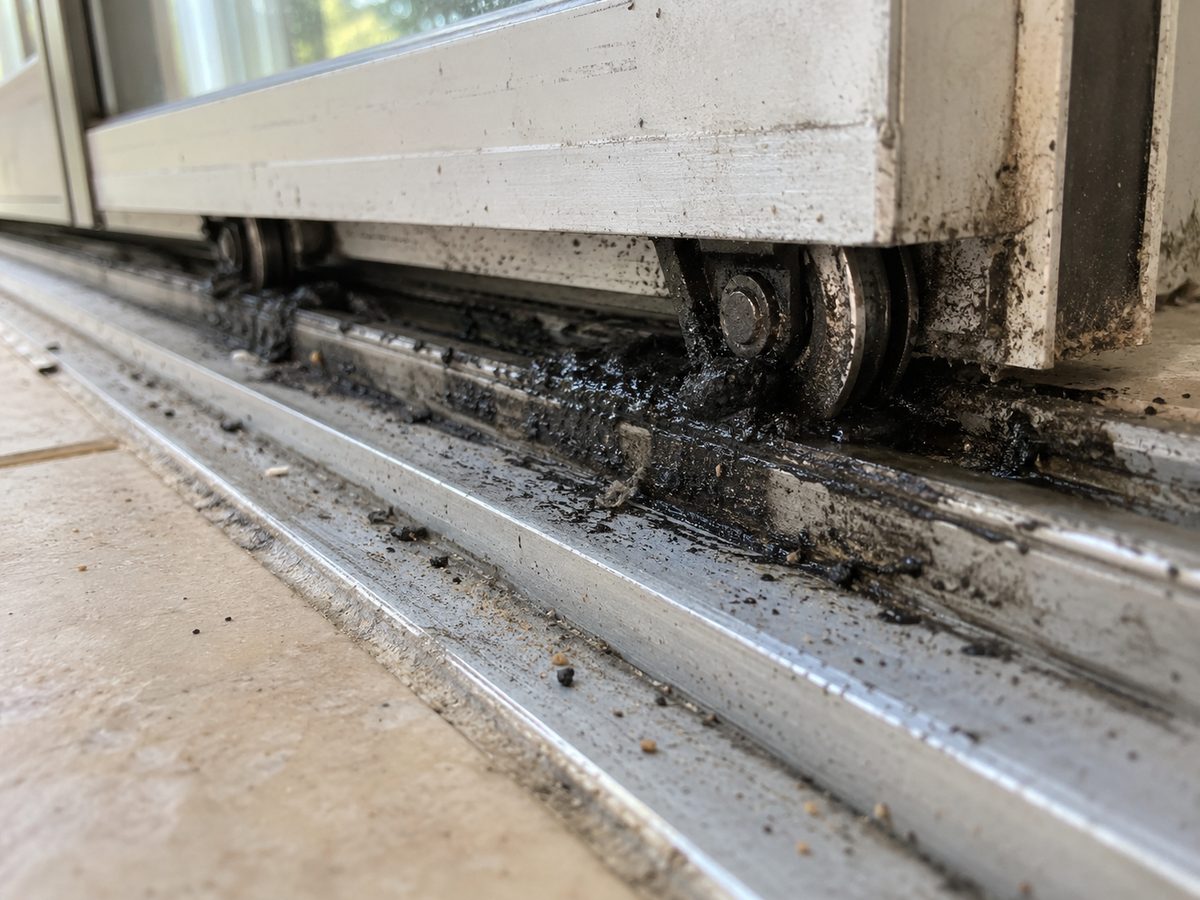
A corroded or distorted housing may no longer represent the original geometry. A wheel worn down at its running surface may give a misleading diameter. If available, compare both assemblies and look for manufacturer markings or a verified cross-reference.
Keep the old parts long enough to document the identification. A written part number and photographs are useful for future service. They also make it easier to understand what a proposed stainless or alternative assembly changes and what remains the same.
Working height matters after installation
A wheel needs enough retraction for the panel's installation method and enough adjustment range for normal clearance. A replacement that is already too tall when collapsed may prevent proper placement. One that is too low at its useful extension may leave the panel rubbing the sill.
Adjustment should refine a compatible assembly's position. It should not be used to force an incompatible housing to behave like a different part. Raising one corner indefinitely can affect locking, interlocks and upper guide engagement as well as the bottom gap.
The rail is part of the match
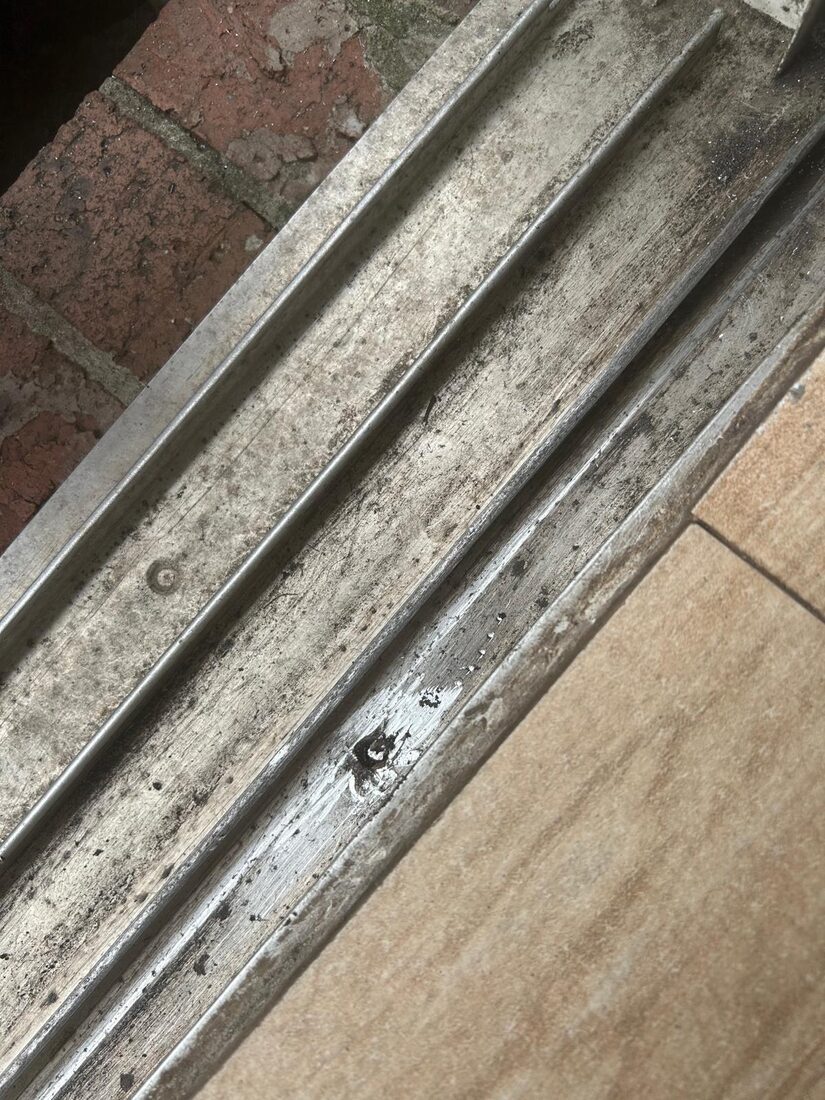
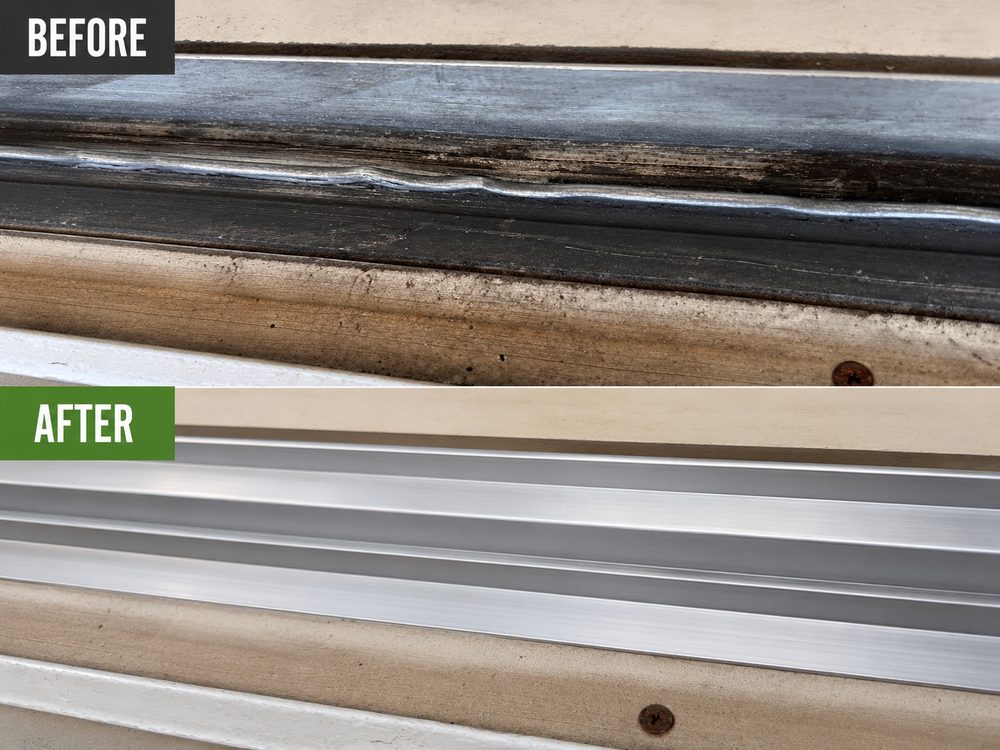
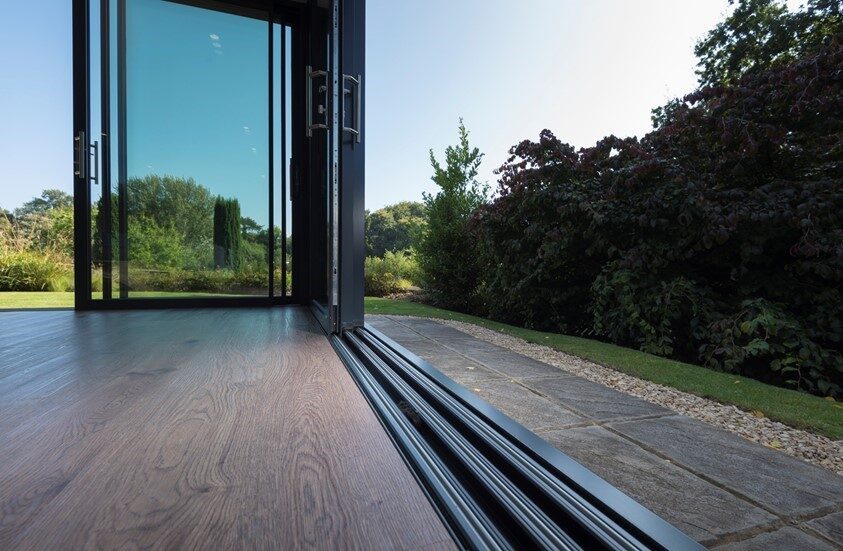
Wheel profile must suit the running surface. A concave wheel and a flat-edged wheel do not automatically share a suitable rail simply because their diameters match. Inspect the actual track for damage, a previous cover or another retrofit that changes the contact geometry.
Consider this hypothetical example: a homeowner orders a roller by wheel size and the new housing slips into the opening. The panel then rubs at the top because the housing's minimum height differs. Correct wheel diameter did not establish complete compatibility.
Ask for an identification explanation in the quote
A useful roller replacement proposal describes the selected assembly and explains why it is suitable for the panel and rail. If a substitute is proposed, ask which dimensions, mounting features and load requirements were checked. A cross-reference should be verified rather than accepted as proof of universal brand compatibility.
For a Daytona service request, send the safe exterior photographs first. Include whether a previous repair or track cover preceded the problem. Leave disassembly and concealed measurements to the person equipped to handle the panel.
Questions homeowners ask
Can the technician identify the part from the door brand alone?
Sometimes the product documentation narrows it substantially. Different series, configurations and previous repairs can still matter. Direct inspection is appropriate when identity or compatibility remains uncertain.
Why keep both the housing measurements and wheel measurements?
The wheel establishes only part of the rolling contact. The housing controls how the assembly mounts and adjusts inside the panel. Either mismatch can leave the door operating poorly.
Is a bigger wheel an upgrade?
Only if the complete replacement is supported for that system. Diameter changes can alter panel height, retraction and clearance. “Bigger” is not a substitute for a compatibility check.
Sources and product examples
Sources checked September 14, 2026. Product details apply to the identified examples; they are not universal repair instructions.