OceanView Blog · 4-minute read
Automatic Commercial Sliding Doors: Separate Mechanical Faults From Sensor Problems

Need this looked at around Daytona Beach? Commercial Sliding Door Repair · Automatic and Electronic Commercial Sliding Door Repair — request service or call 386-202-1678.
OceanView Editorial · Pen name: Seth Corbin · 4-minute read
These guides use editorial pen names. Read how this blog is prepared.
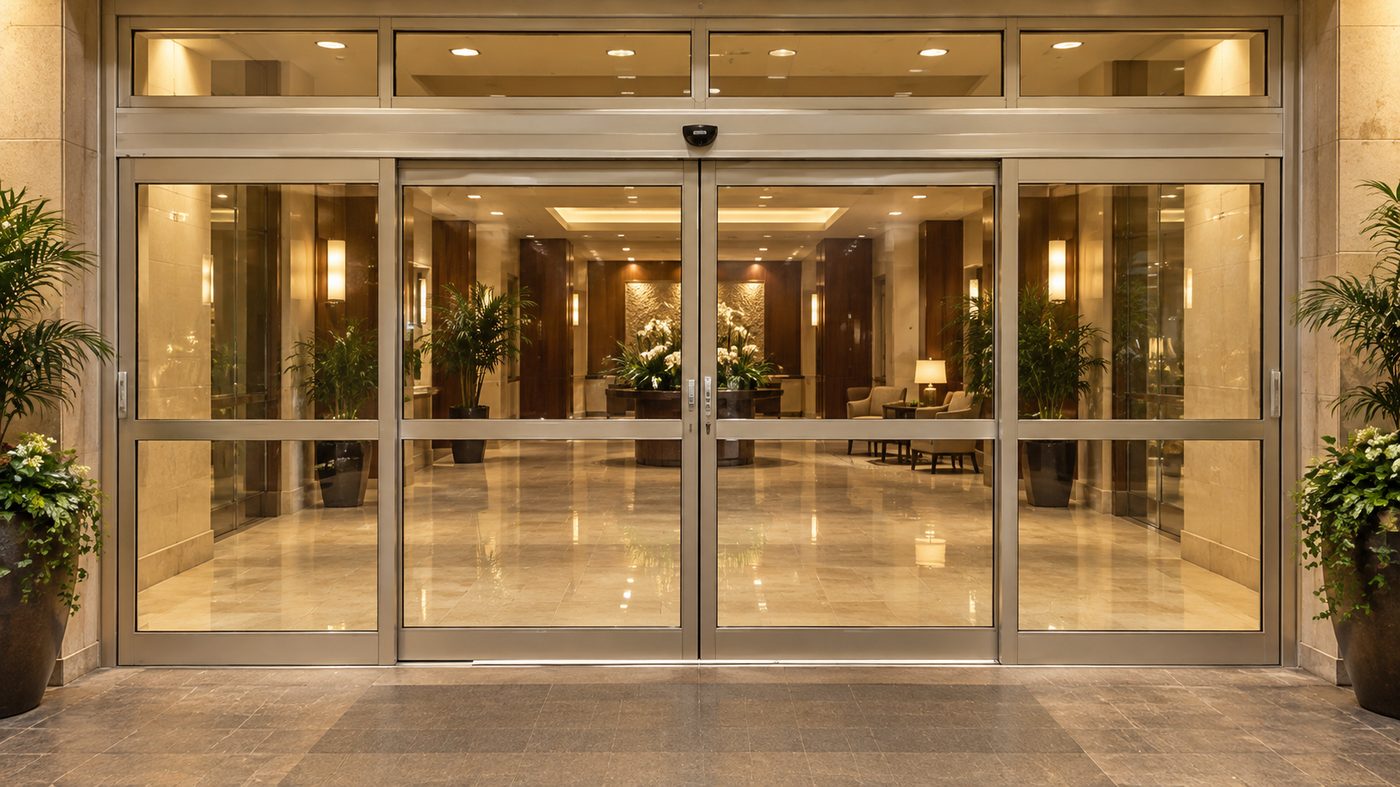
An automatic commercial slider can have mechanical resistance, an activation problem, a safety-detection problem or interacting faults. These systems need qualified assessment. A business should not bypass a sensor or increase drive force to push the door through an unidentified mechanical catch.
Treat abnormal behavior as an operating issue
If the door behaves unexpectedly, follow the installed owner's instructions for taking it out of service and managing the opening. Keep users clear of the malfunctioning equipment and arrange appropriate service. Do not experiment with a malfunctioning door while customers continue using it.
AAADM distinguishes owner safety checks from professional inspection and service. Its owner guidance is a useful starting point, but the installed system's instructions remain necessary. No generic blog sequence should replace the applicable procedure for a particular entrance.
Describe the behavior before naming a failed part
Report whether the door fails to activate, moves unevenly, stops at a repeated location or has unexpected closing behavior. Include operating conditions and any recent service. Describe what was observed without repeating a potentially unsafe event for a video.
These symptoms do not identify a component remotely. A mechanical obstruction can influence powered travel, while activation and safety-detection functions have their own relationships. The technician should establish the relevant fault rather than assume every hesitation is a sensor failure.
Mechanical assessment is system-specific
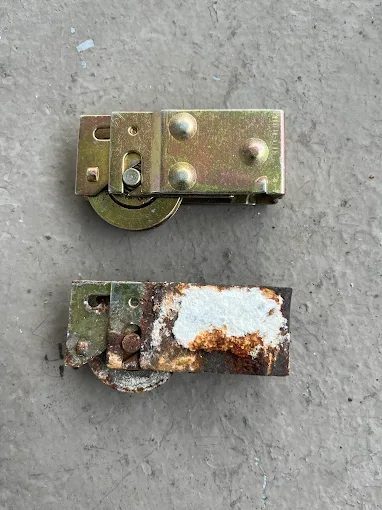
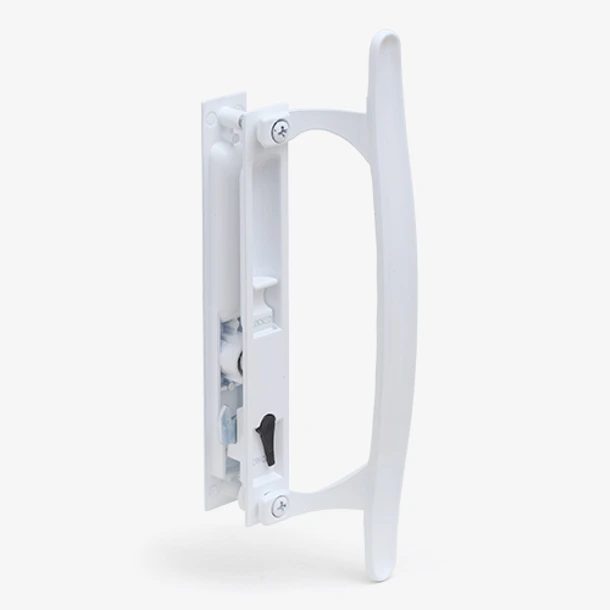
Commercial systems may use specialized carriers, guides, drive components and adjustment arrangements. Conventional residential patio rollers should not be assumed suitable. The complete equipment identity and supported parts matter.
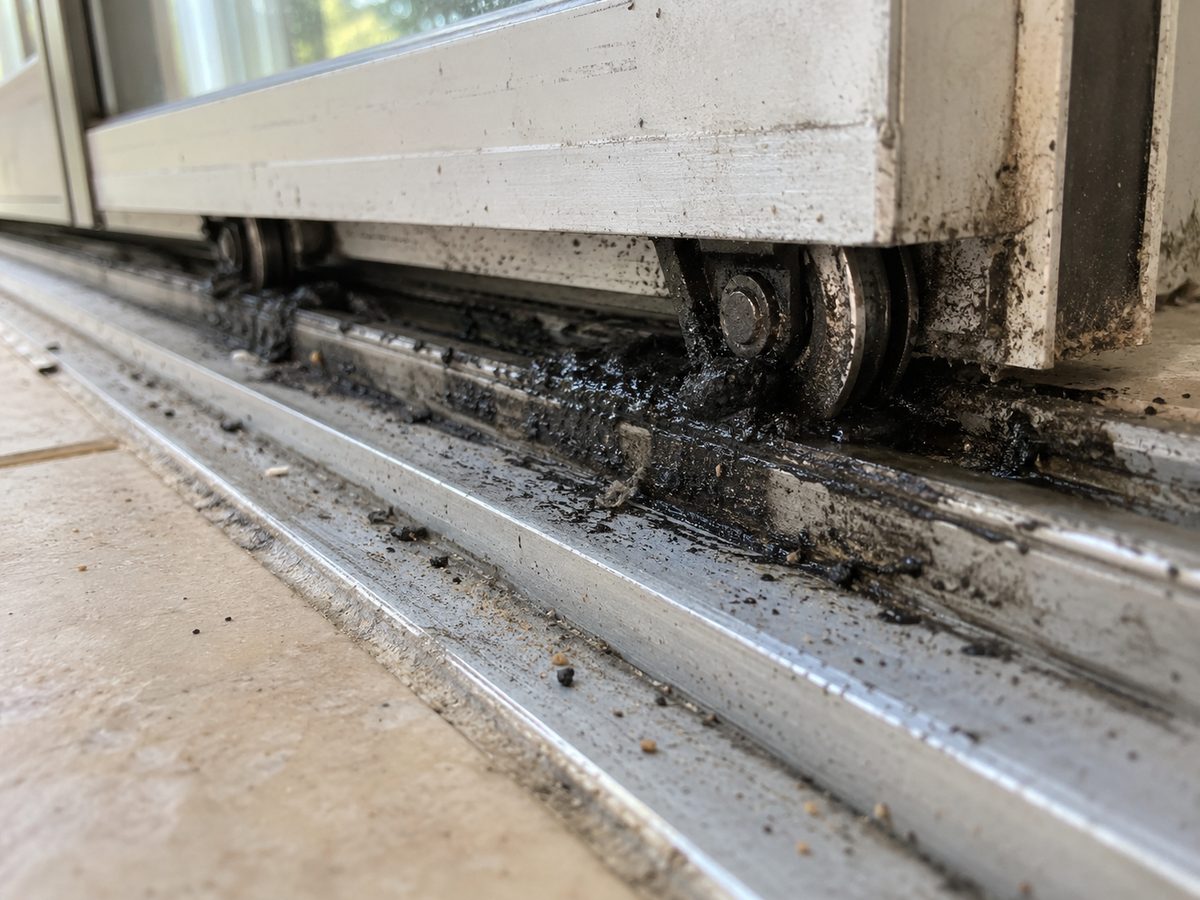
For an illustrative example, an entrance encounters a repeatable mechanical catch. Altering a controller setting might change the observed motion while leaving the obstruction present. The provider should assess the mechanical condition and applicable operating settings together rather than use force as the first correction.
Sensor work must preserve safety functions
Activation and presence or safety-detection roles should be identified for the installed system. Do not cover, disconnect or reposition a sensor to stop an inconvenient symptom. A quieter or more predictable door after bypass is not proof of safe operation.
Ask the provider to explain the assessment and applicable inspection scope. Avoid conducting improvised tests by standing in a malfunctioning closing path. Owners should use the equipment's instructed checks and arrange qualified service when abnormal behavior is found.
Give the provider equipment and site information
Supply accessible maker and model information, the observed behavior and the opening's use. Mention any access restrictions and whether the door has already been taken out of service under its instructions. Do not open control covers or expose energized components to find labels.
Describe recent mechanical, sensor or controller work. The timeline can help the technician prepare without proving that the previous service caused the current condition. Ask which parts and verification activities are included in the proposal.
Return to service needs more than one opening
A repaired entrance should be assessed and verified according to its applicable equipment and professional requirements. A single successful activation is a limited observation of the complete system. Ask for the service findings and instructed owner-check information to be documented.
OceanView accepts inquiries about automatic commercial sliding-door repair. Describe the equipment and ZIP code when requesting service; availability for requests does not establish a particular certification or guarantee immediate parts. Specific qualifications and scope should be confirmed for the equipment involved.
Questions homeowners ask
Can I disconnect a sensor until the technician arrives?
Do not bypass safety-related equipment. Follow the installed owner's instructions for the malfunctioning entrance and arrange qualified assessment, with users kept clear as appropriate.
Does a door that activates once prove it is ready?
No. Applicable operating and safety relationships need the relevant verification. Ask the service provider to document the assessment and return-to-service checks for the installed system.
Can residential roller parts repair an automatic entrance?
Not by assumption. Identify the commercial system and supported components. Its mechanism and verification needs may differ substantially from a conventional manually operated patio slider.
Sources and product examples
Sources checked September 14, 2026. Product details apply to the identified examples; they are not universal repair instructions.