OceanView Blog · 4-minute read
Before You Pay for a Sliding Door Repair: Check Movement, Locking and the Written Scope
Need this looked at around Daytona Beach? Sliding Door Repair · Sliding Door Alignment and Adjustment — request service or call 386-202-1678.
OceanView Editorial · Pen name: Clay Donovan · 4-minute read
These guides use editorial pen names. Read how this blog is prepared.
Arrange a final repair demonstration at the agreed completion point, before treating the job as finished. Check the original complaint, ordinary travel, closing and intended locking. Pair that observation with the written scope so both homeowner and provider understand what was repaired and what remains.
Start with the complaint you reported
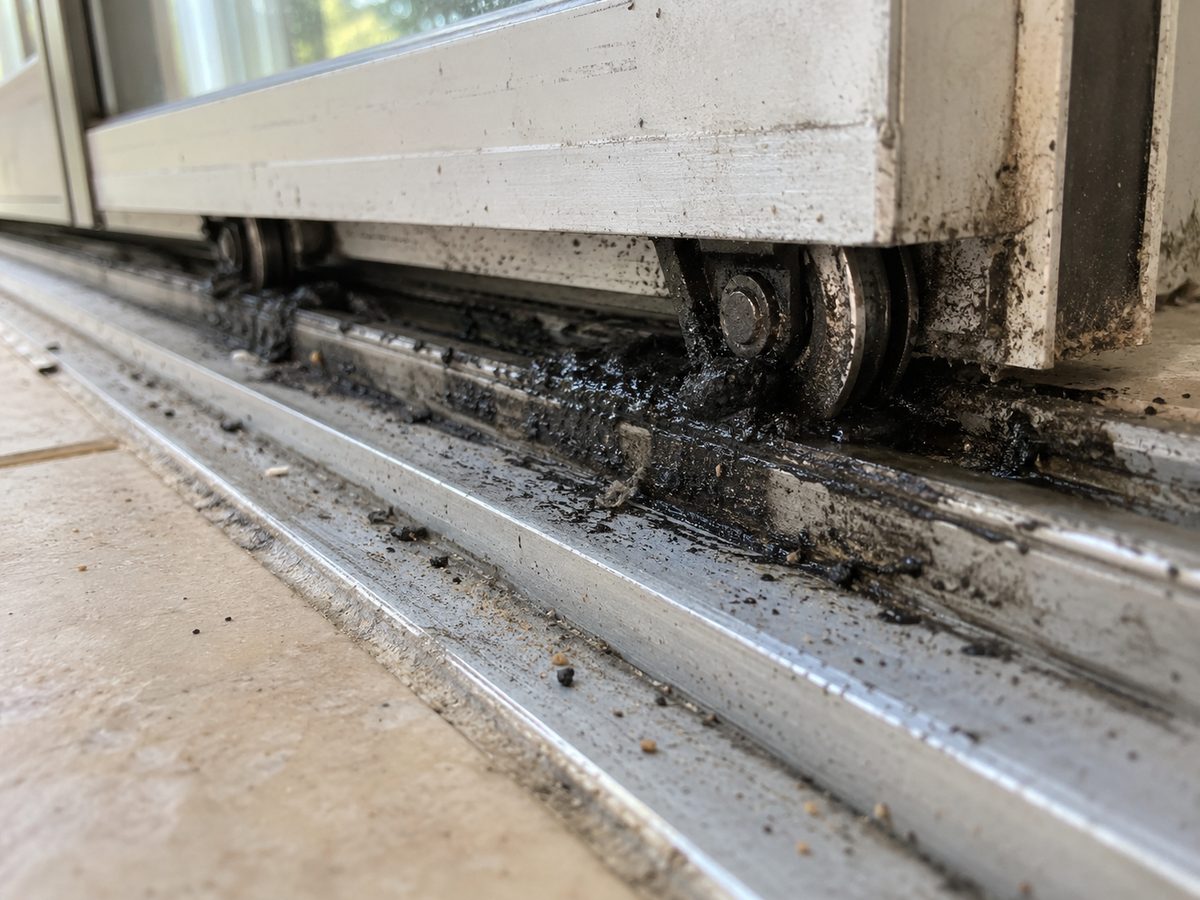
If the door originally caught at one sill location, include that location in the demonstration. If the problem appeared near closing, observe the approach to the jamb. If several panels contributed, use the intended normal operating sequence.
Do not replace these checks with a fast shove across a short section. Speed can hide a small catch. Observe ordinary use only after the provider considers the panel suitable for operation; do not test an unstable or displaced panel yourself.
Check movement and closing as separate functions
A panel may roll more easily and still approach the jamb unevenly. It may close comfortably and still rub at the head during part of its travel. Ask the provider to address any newly introduced contact instead of assuming it belongs to a different future repair.
For an illustrative example, new rollers reduce general effort, but the original rail dent still produces a bump. If the dent was outside the accepted scope, that limitation should be explained. If the agreed scope included resolving it, discuss the remaining condition with the provider.
Include the intended locking arrangement
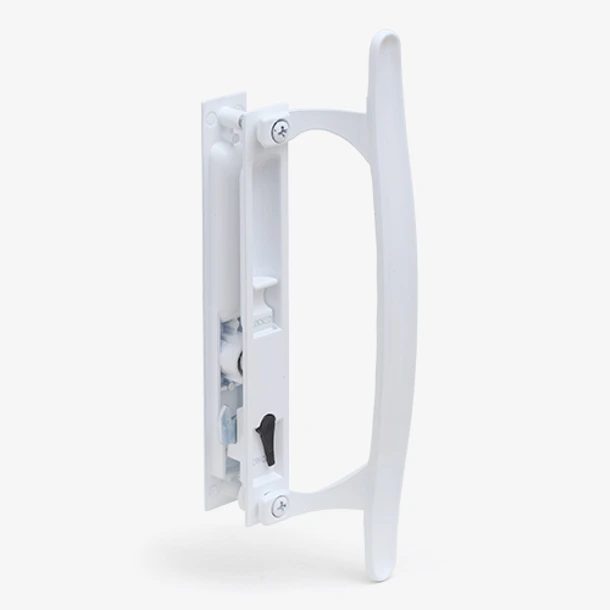
Observe ordinary latch operation and keyed function where applicable. A handle that needs to lift the panel or a latch that requires slamming deserves further assessment. Multi-point hardware should have its relevant engagement relationships reviewed.
Andersen's hardware and installation guidance connects operating checks with panel alignment and locking. These manufacturer examples support evaluating the completed door, not simply confirming that a new assembly was placed in its recess.
Ask the technician about hardware you should not test
Guides, stops, retainers and attachments may need system-specific verification. Ask the provider to confirm their appropriate fit, especially if roller or track work changed running height. Homeowners should not pull a heavy panel outward or lift it to test retention.
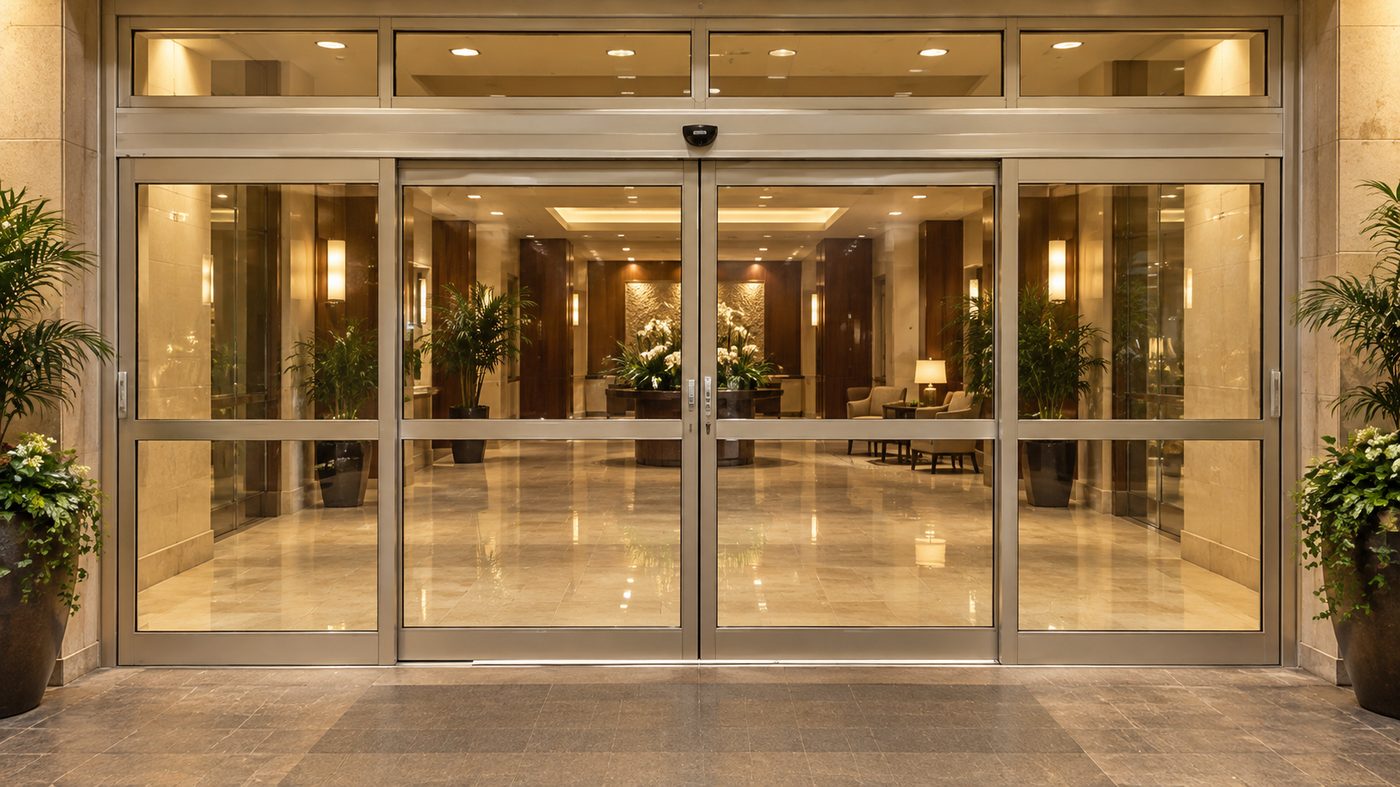
If drainage or sealing was included, ask which features were assessed and what was corrected. Smooth movement alone does not demonstrate those functions. Automatic commercial systems need their applicable professional verification rather than this residential observation checklist.
Match the invoice to the accepted scope
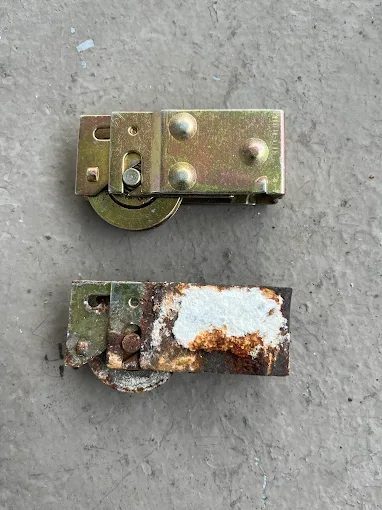
Look for the identified work, supplied assemblies and quantity, track component if used and any additional work discussed. Clarify diagnosis, sourcing or visit charges that apply. Billing and payment timing should follow the agreed arrangement; this article does not create different terms.
If the scope changed after inspection, ask for the final description to reflect those changes. A clear record is more useful than an unexplained higher total. Discuss uncertainty or remaining symptoms directly with the provider at the completion stage.
Keep a compact repair record
Save the date, part identities, repair description and any provided care or warranty terms. Do not invent coverage from a verbal assumption or a manufacturer's unrelated product warranty. Ask what terms actually apply to the supplied work and components.
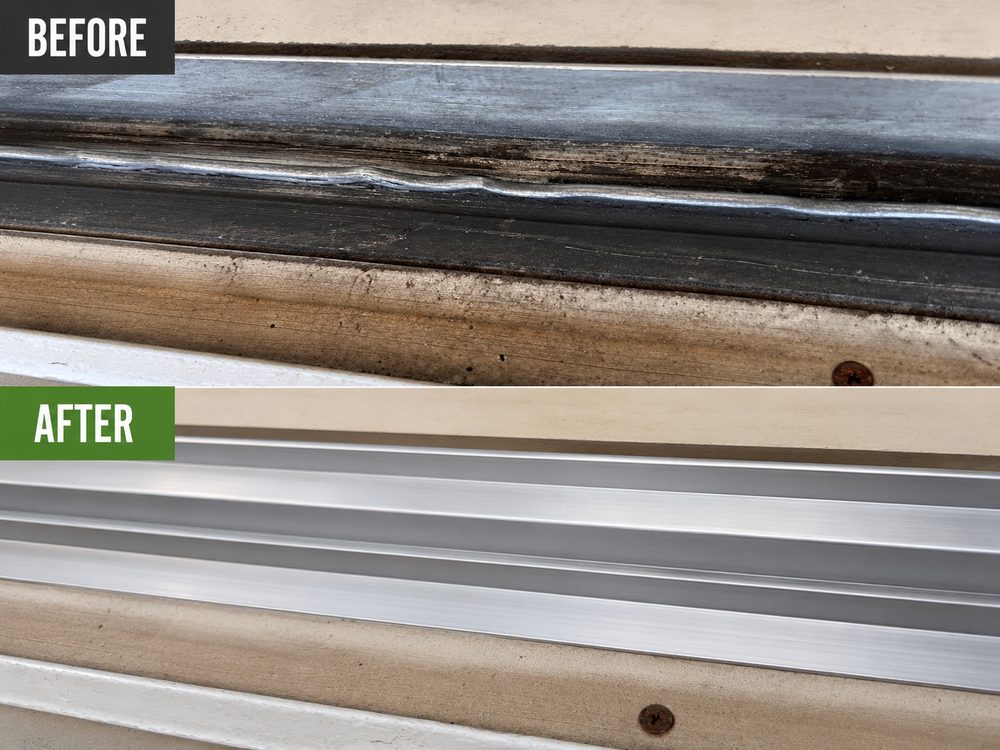
A few safe before-and-after photographs can make future follow-up easier. If the symptom returns, report the location and timing rather than adding spray or adjusting unknown screws first. The record helps distinguish the completed scope from another condition needing assessment.
Questions homeowners ask
Is one successful opening enough to accept the repair?
It is a limited observation. Include the original problem location, normal travel, closing and intended locking, with relevant system-specific checks confirmed by the provider.
Can this checklist change my payment agreement?
No. Arrange completion checks with the provider and follow the agreed billing terms. Use the checklist to clarify the finished work and remaining questions, not as a substitute for your actual agreement.
What should I save for a follow-up visit?
The final scope, supplied part identities and quantity, repair date, applicable terms and a specific description of any returning symptom. Those details are more useful than a receipt containing only “door repair.”
Sources and product examples
Sources checked September 14, 2026. Product details apply to the identified examples; they are not universal repair instructions.