OceanView Blog · 4-minute read
Raised Screw Heads in a Sliding Door Track: A Small Obstruction With Big Effects
Need this looked at around Daytona Beach? Sliding Door Track Repair · Sliding Door Alignment and Adjustment — request service or call 386-202-1678.
OceanView Editorial · Pen name: Spencer Vale · 4-minute read
These guides use editorial pen names. Read how this blog is prepared.
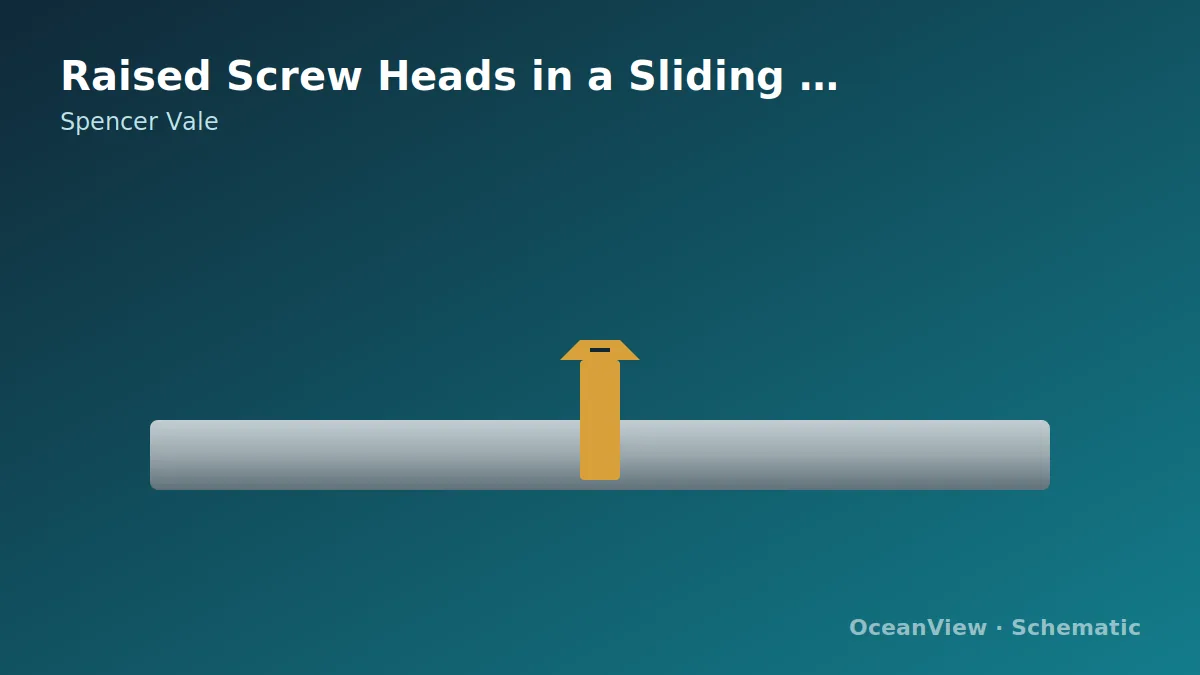
A raised screw head in the panel's travel path can create a repeatable catch even when the rollers are new. The correct repair depends on what the fastener secures and the specified attachment method. Do not simply remove, grind or replace every visible threshold screw to make the surface look flush.
Location is more useful than the size of the noise
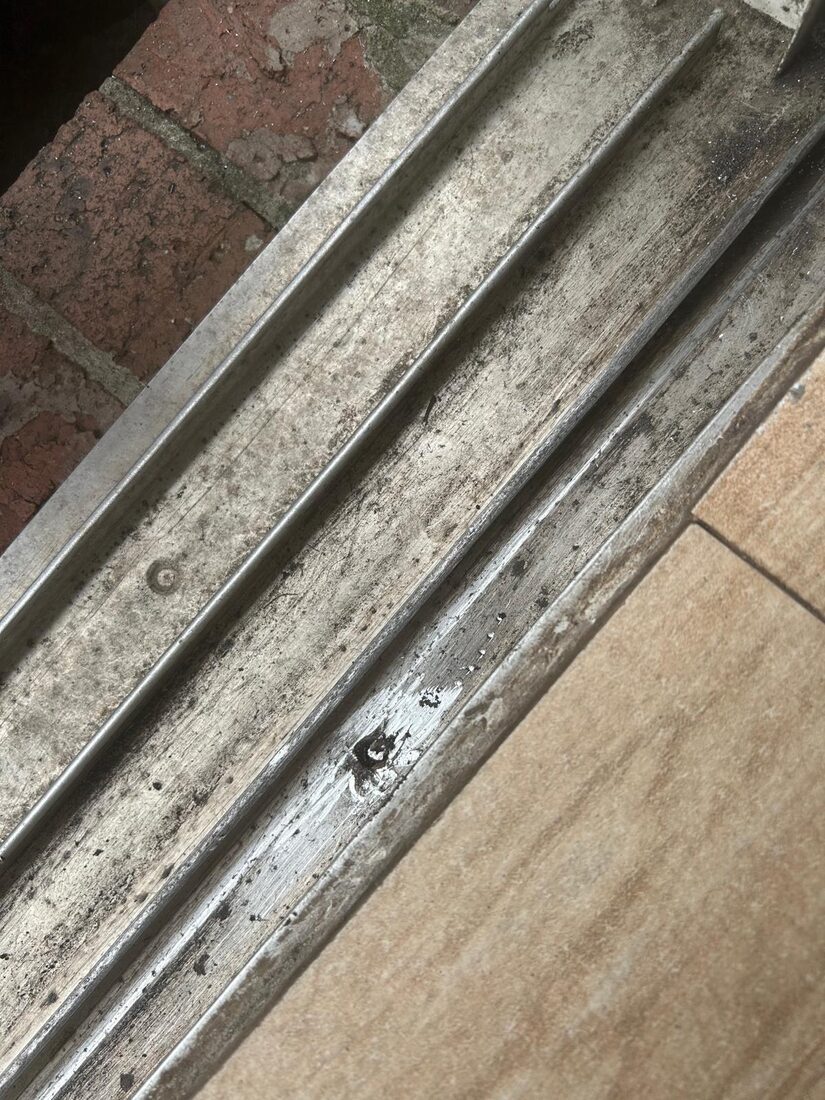
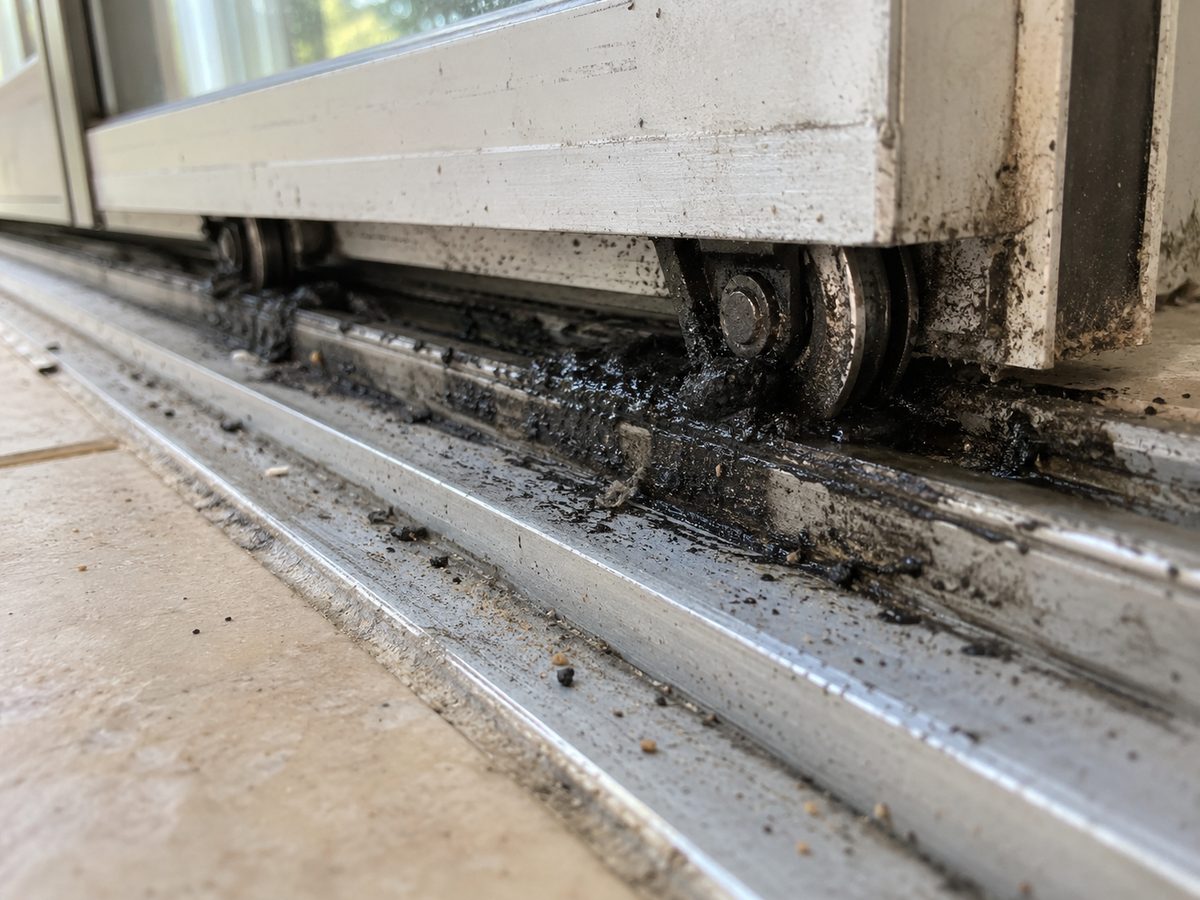
Note where the panel catches relative to the sill. If it happens at the same position in both directions, look for an accessible local obstruction without reaching beneath the glass. A photograph showing the panel position and nearby fastener can help the provider find the contact quickly.
A visible screw near the catch is a possibility, not conclusive proof. A dent, joint, debris or different component can produce a similar bump. The inspection should establish which moving surface is contacting which fixed feature.
Small clearance changes can matter
A wheel or panel component has to pass through its designed path. An added fastener head, a backed-out screw or an unsuitable head shape may intrude into that path. Raising the whole door to clear the obstruction can reduce clearance somewhere else.
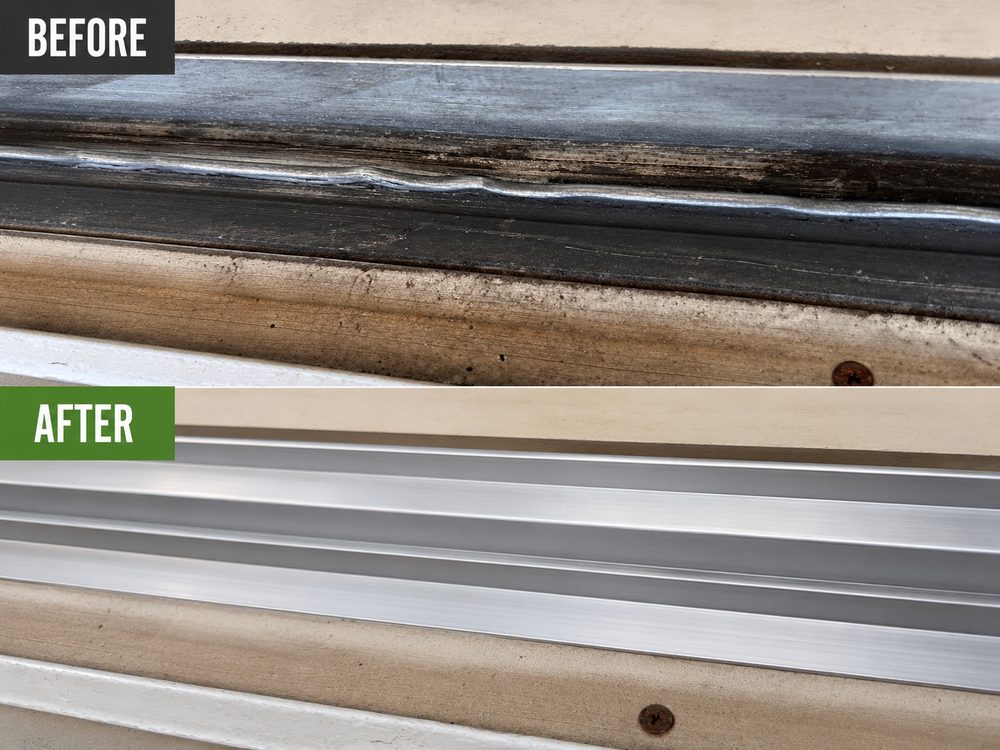
For an illustrative example, a replacement track is secured with a head that stands proud where the moving panel passes. General movement improves, but a sharp catch appears at that fastener. New rollers would not lower the head or verify the chosen attachment method.
Find out what the screw holds
The fastener may secure a running rail, cover, guide or another system feature. Some visible screws are intentionally positioned outside the rolling contact. Their job should be identified before they are changed.
Andersen's E-Series installation guide specifies particular fasteners for different locations, including flat-head fasteners for a head-guide assembly. This illustrates location-specific design, not a universal instruction to fit a particular flat-head screw into every patio sill.
Correct head shape is not the whole specification
Diameter, thread, length, material and seating arrangement matter as well as head profile. A short screw that looks flush may not secure the component appropriately. A longer one may create hidden interference or affect an underlying cavity.
Do not countersink a threshold or drill a new hole merely because the selected screw does not sit as expected. That may change material support or water management. A provider should use the supported fastening method for the identified repair.
Adjustment should not disguise the obstruction
If the panel is raised enough to pass the screw but now rubs at the head, locks poorly or loses intended engagement, the original problem was displaced. A successful repair resolves the incompatible contact while preserving the required clearances and retention.
Likewise, adding another track cover to bridge over the head changes the running height. The cover, attachment and roller combination all need evaluation. It is not a harmless universal workaround for an incorrectly located or protruding fastener.
Check the complete travel after correction
Operate the panel gently in both directions over its normal opening. Check near the former catch, at the ends and while closing. Confirm ordinary locking rather than slamming through resistance. A single successful pass at high speed may hide a small obstruction.
If the fastener was replaced or the rail refitted, ask for the reason to be recorded. Keeping that explanation helps future service distinguish a supported track repair from an improvised attachment.
What to send with a service inquiry
Include the repeatable location, whether track work recently occurred and a clear photograph of the exposed head. Do not lift the panel to photograph beneath it. Report any looseness or movement of the track separately; a protruding head and an insecure rail may require related but different work.
Questions homeowners ask
Can I remove the screw and leave the hole empty?
Only a system-specific assessment can establish whether that is appropriate. An unidentified fastener may provide necessary attachment. Removing it just to eliminate a bump can leave another component insecure.
Should every screw in the sill be flush?
No universal appearance rule applies. The specified fastener and location must preserve the intended moving path and attachment. A visible head outside that path is different from an obstruction beneath the panel.
Will a [**roller adjustment**](/services/sliding-door-alignment-adjustment/) solve the problem?
It may alter clearance, but it does not prove the fastener is correctly fitted. The repair must preserve head clearance, locking and engagement while resolving the confirmed contact.
Sources and product examples
Sources checked September 14, 2026. Product details apply to the identified examples; they are not universal repair instructions.