OceanView Blog · 4-minute read
Lift-and-Slide Door Problems: Why Handle Position and Specialized Hardware Matter

Need this looked at around Daytona Beach? Sliding Door Repair · Sliding Door Installation — request service or call 386-202-1678.
OceanView Editorial · Pen name: Dean Rutherford · 4-minute read
These guides use editorial pen names. Read how this blog is prepared.
A lift-and-slide door uses an intended handle sequence and specialized operating hardware. If it resists movement, do not treat it as a conventional slider that simply needs a stronger pull or a universal roller. Start by identifying the product and separating handle operation from panel travel.
Confirm which system is installed
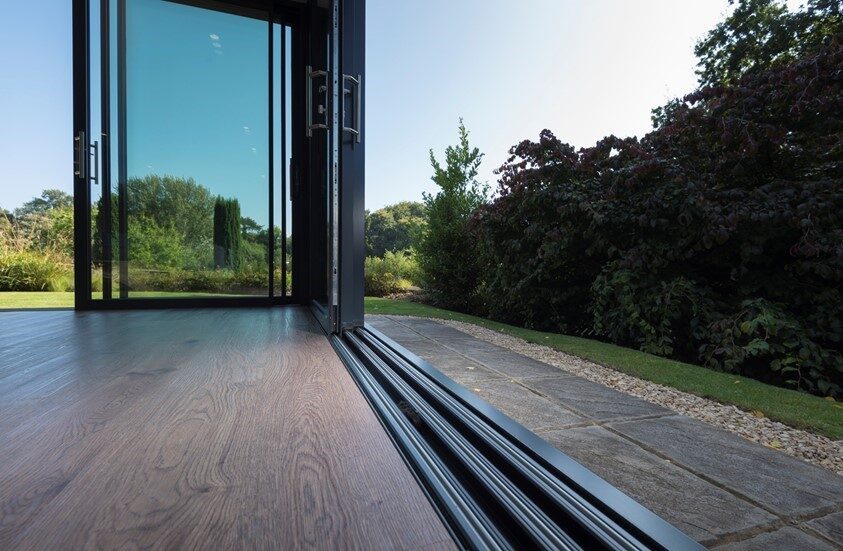
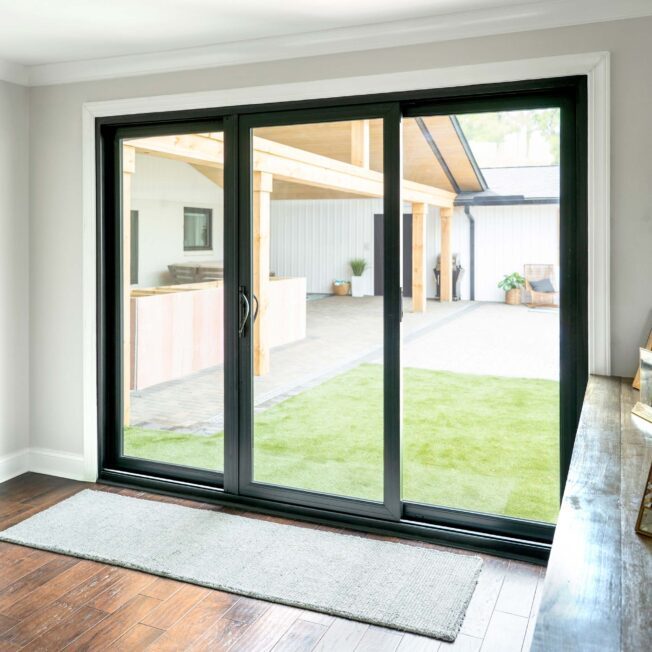
Lift-and-slide is an operating-system description, not another name for every large patio door. ES Windows' ES-V88 is one manufacturer example. A heavy conventional bypass panel can look similar while using a different mechanism.
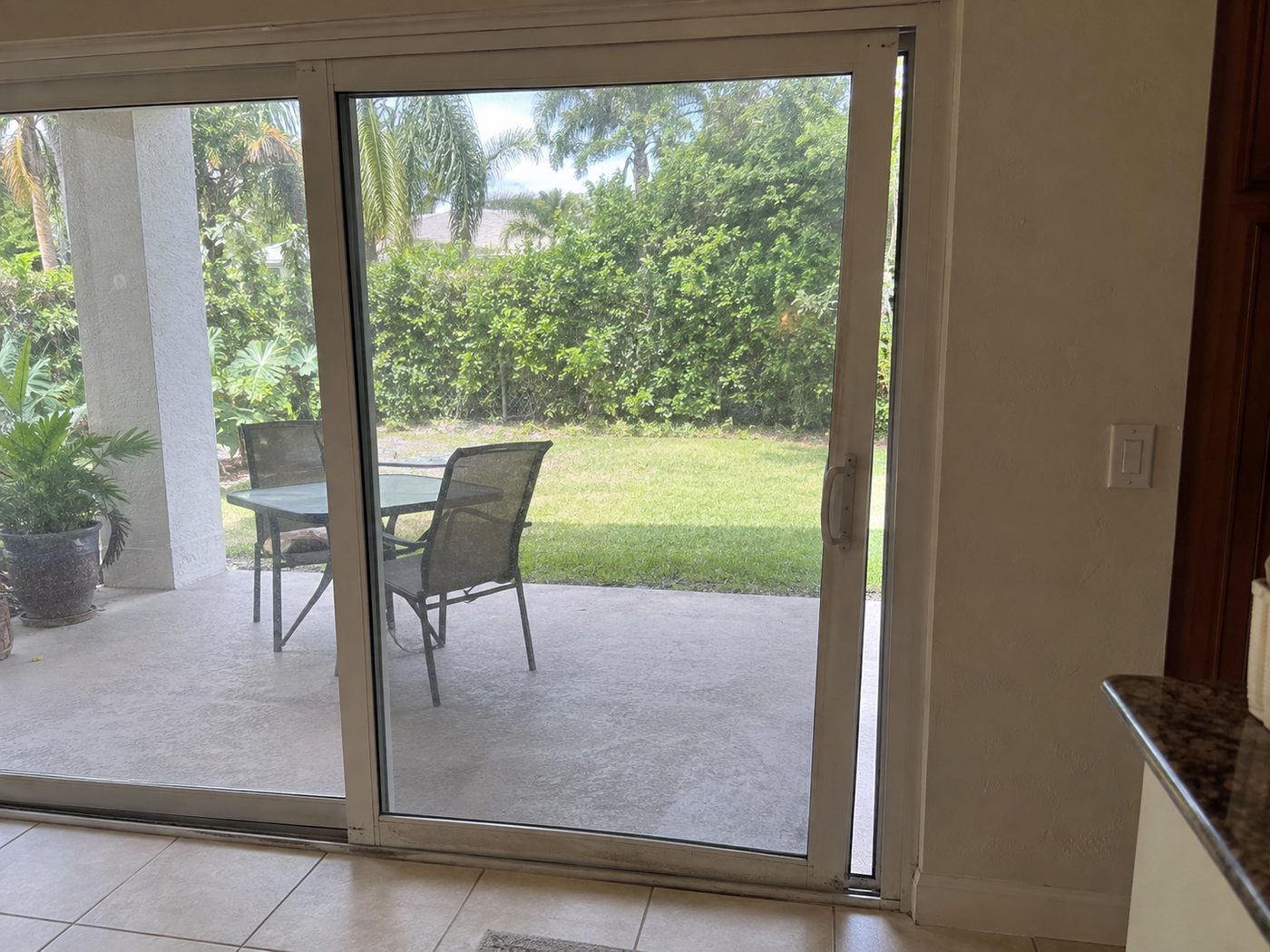
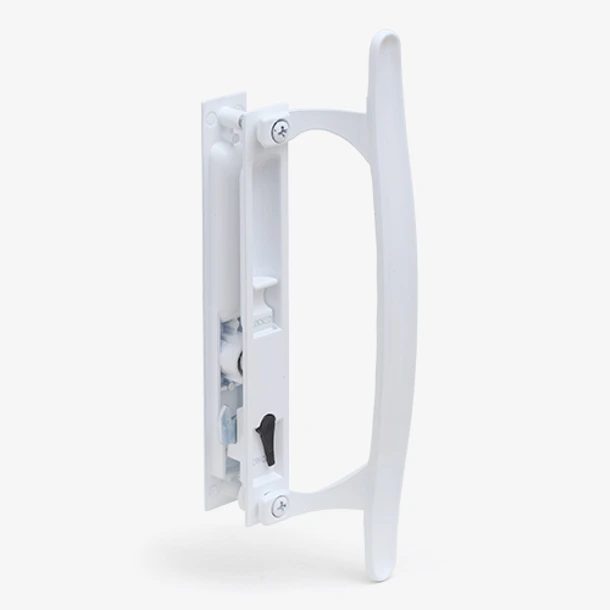
Accessible labels, purchase documents and a photograph of the opening can help identification. Describe what the handle normally does before the panel moves. Do not infer the correct sequence from an unrelated online video or copy another brand's lever direction.
Observe the stage where resistance starts
Tell the provider whether the handle is difficult to move, the panel resists after the handle reaches its intended position or closing and sealing seem different. Those are related observations, but they may point to different contacts and components.
If the normal sequence is uncertain, request the product's instructions. Do not force the handle beyond resistance or try to drag the panel through an unknown operating position. An incomplete or failed sequence should be assessed before repeated use.
The mechanism is more than the visible wheel
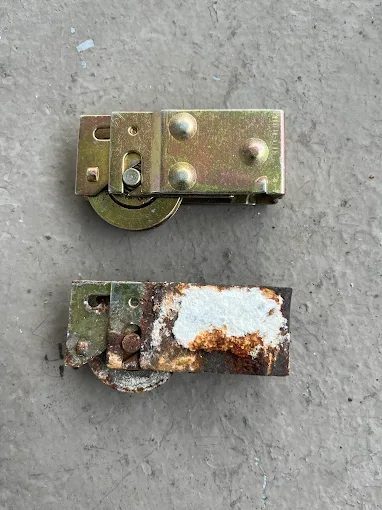
Specialized hardware coordinates the system's intended action. The compatible replacement may involve a particular assembly rather than a loose wheel that matches one diameter. Mounting, adjustment and interaction with the rest of the mechanism matter.
For an illustrative example, an ordinary aftermarket roller appears to fit one recess but does not preserve the lift-and-slide operating relationship. A superficial dimensional match would not establish compatibility. The provider should identify the supported replacement for the complete system.
Keep seals and locking in the diagnosis
Difficulty may involve contact during the intended closing or sealing action, not just rolling resistance. An unsuitable replacement seal or changed panel position can influence that relationship. Report drafts, uneven contact and locking changes alongside movement symptoms.
Do not remove sealing material or adjust receivers by trial and error to make the handle move. A repair should preserve the intended operation rather than leave the panel apparently mobile with another function compromised.
Track work still needs system compatibility
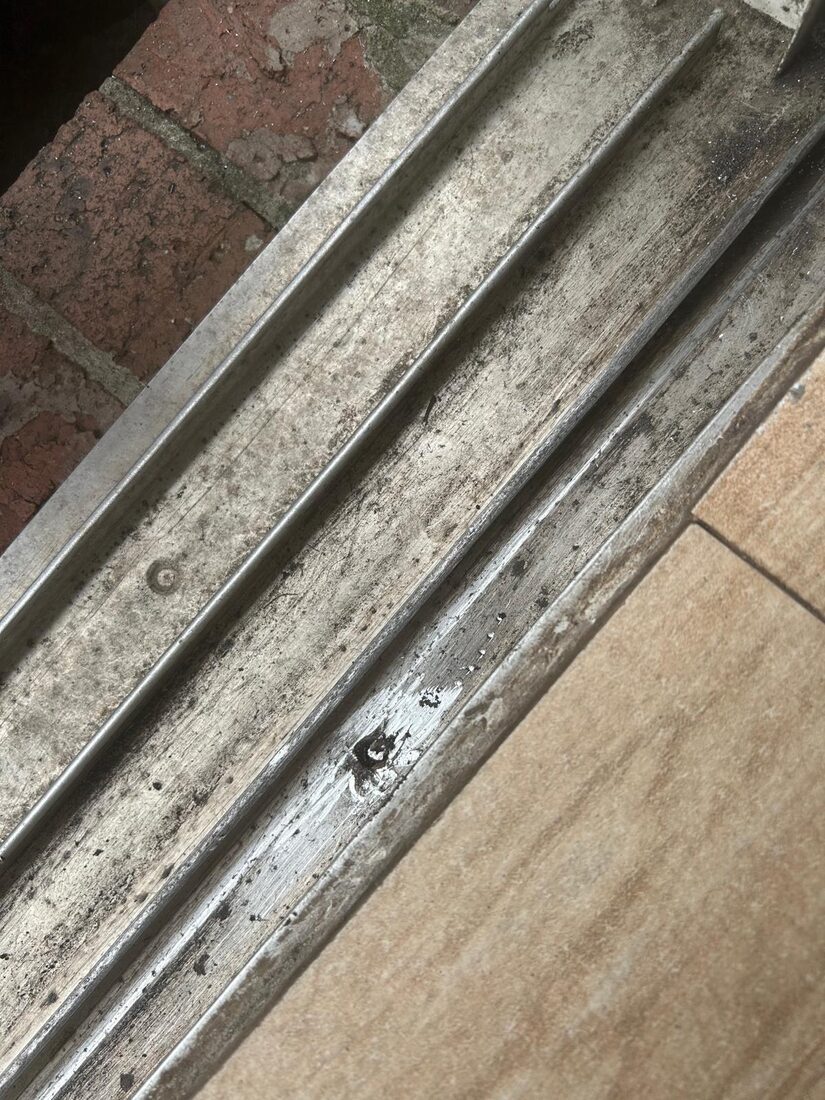
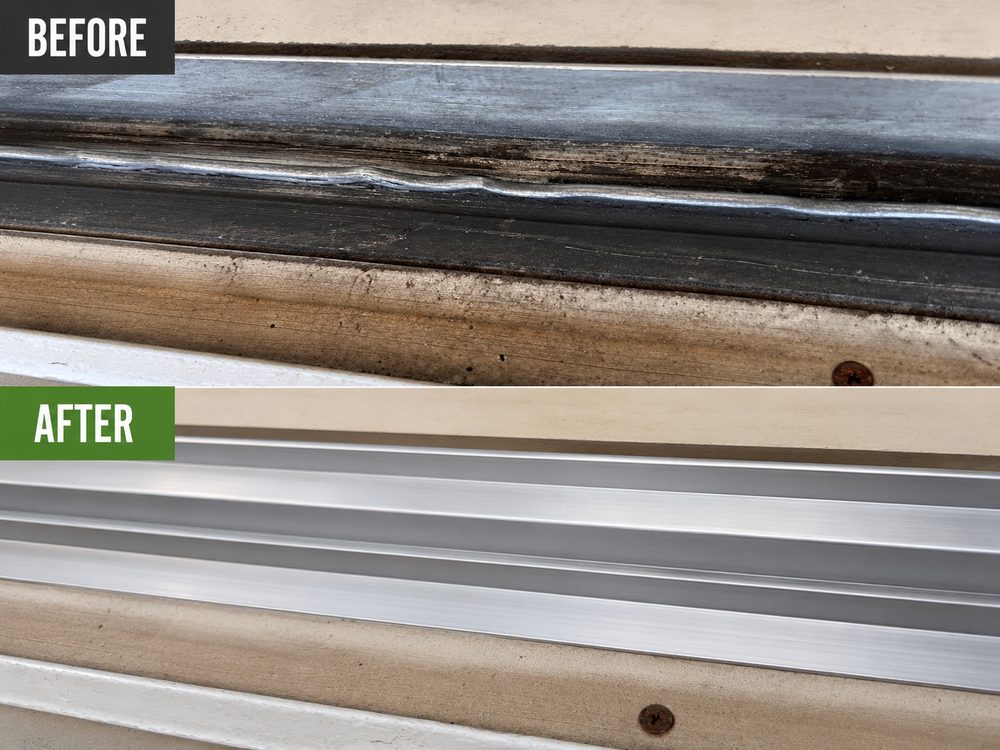
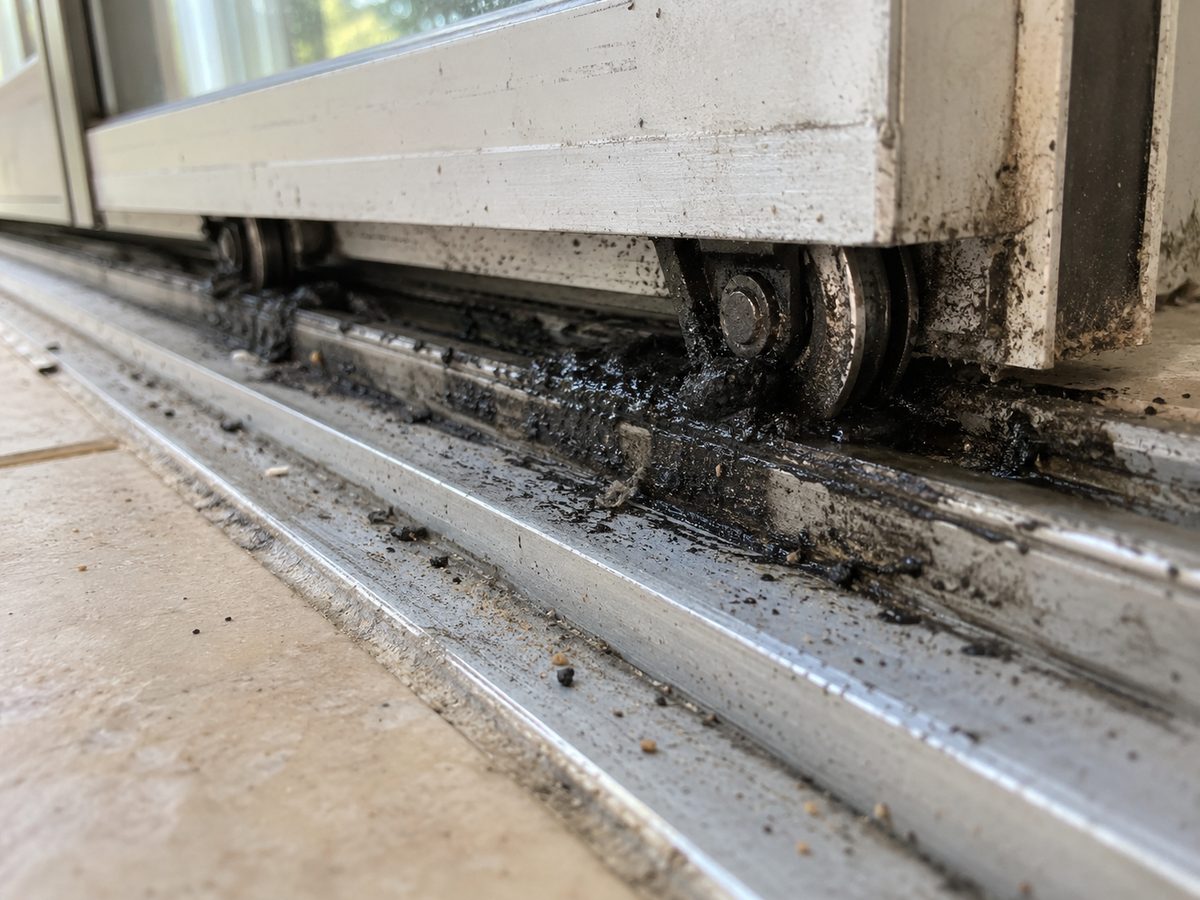
A proposed rail repair or cover should be evaluated for the identified door. Added running height and a different profile may affect specialized hardware as well as ordinary clearance. A cover marketed broadly for sliding doors is not automatically approved for every lift-and-slide system.
Ask which repair component is proposed and how its compatibility is established. If the provider needs further identification or manufacturer information before quoting, that is a useful sourcing step rather than a reason to substitute an unverified generic assembly.
Plan the complete service scope
Access, panel handling and the availability of compatible parts can affect the visit. Supply the system identification and safe photographs beforehand. Do not remove the panel or head hardware to expose parts yourself.
The written scope should distinguish diagnosis, identified replacement components and final operating checks. At completion, ask for the normal handle sequence, full ordinary travel and intended closing, sealing and locking functions to be demonstrated. Keep the product and repair information for future service.
Questions homeowners ask
Does a large handle prove the door is lift-and-slide?
No. Identify the product and operating system. Handle size and panel weight are visual clues, not confirmation of the mechanism or correct repair procedure.
Can a conventional roller be used if its wheel size matches?
Wheel size alone does not establish compatibility. The specialized assembly and its interaction with the operating system need confirmation through applicable product information and inspection.
What should I report if the handle turns but the panel stays stuck?
Describe the normal sequence, where resistance begins and any recent hardware or seal work. Stop forcing the panel and arrange assessment of the mechanism and relevant contacts.
Sources and product examples
Sources checked September 14, 2026. Product details apply to the identified examples; they are not universal repair instructions.